
Blog

Causes of Foot Stress Fractures

A stress fracture in the foot is a small crack in a bone caused by repeated pressure over time. These injuries often develop when the foot absorbs more force than the bones can handle. Many stress fractures occur in athletes who run, jump, or change direction frequently in sports such as basketball, tennis, and gymnastics. They can also affect runners and people who suddenly increase the intensity, duration, or frequency of exercise. The crack in the bone may be extremely small, sometimes as thin as a strand of hair, but it can still cause significant pain. Other risk factors include poor footwear, changes in training surfaces, weak bones, or abnormal foot structure that places extra pressure on certain areas. Stress fractures most often affect the metatarsals, which are the long bones that connect the toes to the midfoot. A podiatrist can evaluate symptoms, examine the foot, and use imaging tests to confirm the diagnosis and guide proper care. If you have symptoms of a stress fracture, it is suggested that you make an appointment with a podiatrist for an exam, diagnosis, and treatment.

Activities where too much pressure is put on the feet can cause stress fractures. To learn more, contact one of our podiatrists from The Podiatry Center. Our doctors can provide the care you need to keep your pain free and on your feet.

Dealing with Stress Fractures of the Foot and Ankle

Stress fractures occur in the foot and ankle when muscles in these areas weaken from too much or too little use.  The feet and ankles then lose support when walking or running from the impact of the ground. Since there is no protection, the bones receive the full impact of each step. Stress on the feet can cause cracks to form in the bones, thus creating stress fractures.

What Are Stress Fractures?

Stress fractures occur frequently in individuals whose daily activities cause great impact on the feet and ankles. Stress factors are most common among:

  • Runners                                
  • People affected with Osteoporosis
  • Tennis or basketball players
  • Gymnasts
  • High impact workouts

Symptoms

Pain from the fractures occur in the area of the fractures and can be constant or intermittent. It will often cause sharp or dull pain with swelling and tenderness. Engaging in any kind of activity which involves high impact will aggravate pain.

If you have any questions please contact one of our offices located in Richmond and Glen Allen, VA . We offer the newest diagnostic and treatment technologies for all your foot and ankle needs.


Read more about Stress Fractures of the Foot and Ankle

Facts About Rheumatoid Arthritis

Rheumatoid arthritis is a chronic autoimmune disease that causes the immune system to attack healthy joint tissue, leading to inflammation and damage. In the feet, it commonly affects the toes and midfoot, causing pain, swelling, warmth, and persistent stiffness that is often worse in the morning. As the condition progresses, joint deformities and difficulty walking may develop. The exact cause is unknown, but genetic factors, immune dysfunction, smoking, and hormonal influences increase risk. A podiatrist can help by providing early diagnosis, custom orthotics, footwear guidance, and treatment to reduce inflammation and preserve mobility. If you have ongoing foot pain or stiffness, it is suggested that you consult a podiatrist who can offer effective relief and management solutions.

Because RA affects more than just your joints, including the joints in your feet and ankles, it is important to seek early diagnosis from your podiatrist if you feel like the pain in your feet might be caused by RA. For more information, contact Julie Greenwood, DPM of The Podiatry Center. Our doctors will assist you with all of your podiatric concerns.

What Is Rheumatoid Arthritis?

Rheumatoid Arthritis (RA) is an autoimmune disorder in which the body’s own immune system attacks the membranes surrounding the joints. Inflammation of the lining and eventually the destruction of the joint’s cartilage and bone occur, causing severe pain and immobility.

Rheumatoid Arthritis of the Feet

Although RA usually attacks multiple bones and joints throughout the entire body, almost 90 percent of cases result in pain in the foot or ankle area.

Symptoms

  • Swelling and pain in the feet
  • Stiffness in the feet
  • Pain on the ball or sole of feet
  • Joint shift and deformation

Diagnosis

Quick diagnosis of RA in the feet is important so that the podiatrist can treat the area effectively. Your doctor will ask you about your medical history, occupation, and lifestyle to determine the origin of the condition. Rheumatoid Factor tests help to determine if someone is affected by the disease.

If you have any questions, please feel free to contact one of our offices located in Richmond and Glen Allen, VA . We offer the newest diagnostic and treatment technologies for all your foot care needs.

Read more about Rheumatoid Arthritis in the Feet

Are You Suffering From Ingrown Toenails?

If left untreated, an ingrown toenail can lead to more serious concerns, such as an infection. Knowing proper nail care can help in the prevention of an ingrown toenail. Give us a call, and get treated!

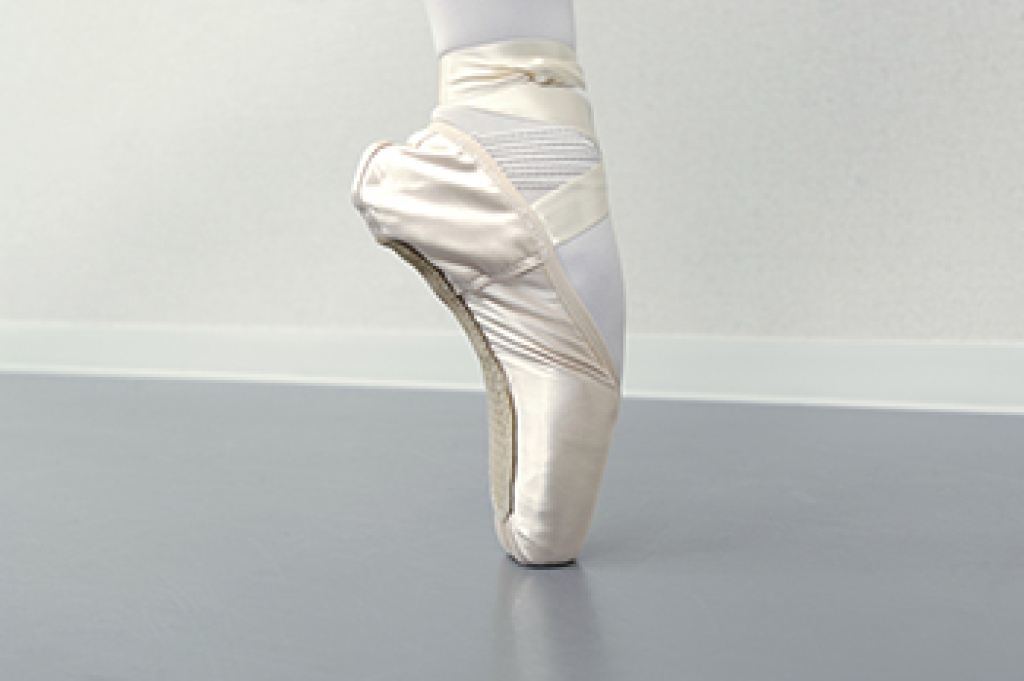
Foot Bone Coordination in Ballet and Podiatric Support

In ballet, the bones of the foot work together to create strength, grace and precise control. Proper alignment allows dancers to move smoothly while maintaining balance and stability. In first position, the feet turn outward from the hips with the heels close together, creating a stable base that requires even weight distribution through the foot bones. In second position, the feet remain turned outward, but are spaced apart increasing the base of support and allowing greater balance, movement and freedom. These positions rely on coordinated function of the bones, joints, and muscles to manage space and control body weight. A podiatrist can help dancers by evaluating foot mechanics, addressing pain, and preventing injury through supportive care. If foot discomfort affects your dancing, it is suggested that you consult a podiatrist who can provide effective relief techniques, enabling you to dance freely again. 

If you have any concerns about your feet, contact one of our podiatrists from The Podiatry Center. Our doctors can provide the care you need to keep you pain-free and on your feet.

Biomechanics in Podiatry

Podiatric biomechanics is a particular sector of specialty podiatry with licensed practitioners who are trained to diagnose and treat conditions affecting the foot, ankle and lower leg. Biomechanics deals with the forces that act against the body, causing an interference with the biological structures. It focuses on the movement of the ankle, the foot and the forces that interact with them.

A History of Biomechanics

  • Biomechanics dates back to the BC era in Egypt where evidence of professional foot care has been recorded.
  • In 1974, biomechanics gained a higher profile from the studies of Merton Root, who claimed that by changing or controlling the forces between the ankle and the foot, corrections or conditions could be implemented to gain strength and coordination in the area.

Modern technological improvements are based on past theories and therapeutic processes that provide a better understanding of podiatric concepts for biomechanics. Computers can provide accurate information about the forces and patterns of the feet and lower legs.

Understanding biomechanics of the feet can help improve and eliminate pain, stopping further stress to the foot.

If you have any questions please feel free to contact one of our offices located in Richmond and Glen Allen, VA . We offer the newest diagnostic and treatment technologies for all your foot and ankle needs.
Read more about The Importance of Biomechanics in Podiatry

How Foot Issues Can Increase the Risk of Falling

Falls are a leading cause of injury, and problems in the feet often play a quiet but important role. Painful joints, reduced sensation, and muscle weakness can interfere with balance and awareness of the ground. Conditions that affect nerve signaling may make it harder to feel uneven surfaces, while limited motion in the toes or ankles can disrupt a natural walking pattern. Thickened nails, skin buildup, or poorly fitting shoes may also alter stability and increase the risk of tripping. Warning signs often include unsteadiness, frequent stumbling, slower walking speed, or avoiding activity due to fear of losing balance. Addressing these issues early can make a meaningful difference. Treatment may include footwear guidance, custom orthotics, strengthening exercises, nail and skin care, or management of nerve and joint conditions. Improving foot function supports safer movement and confidence. If your balance feels off or falls have occurred, it is suggested that you make an appointment with a podiatrist who can evaluate foot-related risk factors and recommend appropriate care.

Preventing falls among the elderly is very important. If you are older and have fallen or fear that you are prone to falling, consult with one of our podiatrists from The Podiatry Center. Our doctors will assess your condition and provide you with quality advice and care.

Every 11 seconds, an elderly American is being treated in an emergency room for a fall related injury. Falls are the leading cause of head and hip injuries for those 65 and older. Due to decreases in strength, balance, senses, and lack of awareness, elderly persons are very susceptible to falling. Thankfully, there are a number of things older persons can do to prevent falls.

How to Prevent Falls

Some effective methods that older persons can do to prevent falls include:

  • Enrolling in strength and balance exercise program to increase balance and strength
  • Periodically having your sight and hearing checked
  • Discuss any medications you have with a doctor to see if it increases the risk of falling
  • Clearing the house of falling hazards and installing devices like grab bars and railings
  • Utilizing a walker or cane
  • Wearing shoes that provide good support and cushioning
  • Talking to family members about falling and increasing awareness

Falling can be a traumatic and embarrassing experience for elderly persons; this can make them less willing to leave the house, and less willing to talk to someone about their fears of falling. Doing such things, however, will increase the likelihood of tripping or losing one’s balance. Knowing the causes of falling and how to prevent them is the best way to mitigate the risk of serious injury.  

If you have any questions, please feel free to contact one of our offices located in Richmond and Glen Allen, VA . We offer the newest diagnostic and treatment technologies for all your foot care needs.

Read more about Falls Prevention
scroll to top