Have you noticed discoloration of your toenails? Have they become thickened or brittle? If so, you may be experiencing symptoms of a fungal nail infection. For some, having a fungal nail can be embarrassing. Overcome your embarrassment, and get treated.
A bunion is a common foot deformity that develops when the big toe shifts toward the smaller toes. This creates a noticeable bump along the inside of the foot near the big toe joint. Symptoms may include pain, swelling, and difficulty wearing shoes. Some people also develop corns or calluses from pressure. Risk factors include family history, inherited foot structure, and wearing tight footwear. Bunions can progress slowly, making early attention helpful for comfort.
A podiatrist will examine your foot and ask about symptoms, activity, and medical history. X-rays may help evaluate bone alignment and joint changes. Treatment often begins with conservative care. Wearing wider shoes or orthotics may reduce irritation, and stretching may improve flexibility. Bunion surgery may be considered when pain continues despite treatment, walking becomes difficult, or the deformity interferes with daily activities. The decision is largely based on symptoms and function rather than appearance alone.
Bunion surgery aims to improve alignment and relieve pressure surrounding the affected joint. The procedure depends on the bunion’s severity and foot structure. A podiatrist may realign the bone, correct joint positioning, or adjust surrounding tissues. After surgery, you may need a protective shoe, elevation, and medication. Follow-up visits help the podiatrist monitor healing and increase activity. Following post-operative instructions carefully can help promote smoother healing.
Consistent bunion pain can affect walking, work, and comfort. Surgery is not necessary for every bunion, but it can provide relief when symptoms persist and conservative care has not worked. An evaluation can clarify whether surgery is appropriate and which procedure may fit your needs. If you have a bunion and are considering foot surgery for relief, it is suggested that you consult a podiatrist who can discuss the benefits of this procedure with you.
Foot surgery is sometimes necessary to treat a foot ailment. To learn more, contact Julie Greenwood, DPM of The Podiatry Center. Our doctors will assist you with all of your foot and ankle needs.
When Is Surgery Necessary?
Foot and ankle surgery is generally reserved for cases in which less invasive, conservative procedures have failed to alleviate the problem. Some of the cases in which surgery may be necessary include:
Removing foot deformities like bunions and bone spurs
Severe arthritis that has caused bone issues
Cosmetic reconstruction
What Types of Surgery Are There?
The type of surgery you receive will depend on the nature of the problem you have. Some of the possible surgeries include:
Bunionectomy for painful bunions
Surgical fusion for realignment of bones
Neuropathy decompression surgery to treat nerve damage
Benefits of Surgery
Although surgery is usually a last resort, it can provide more complete pain relief compared to non-surgical methods and may allow you to finally resume full activity.
Surgical techniques have also become increasingly sophisticated. Techniques like endoscopic surgery allow for smaller incisions and faster recovery times.
If you have any questions, please feel free to contact one of our offices located in Richmondand Glen Allen, VA. We offer the newest diagnostic and treatment technologies for all your foot care needs.
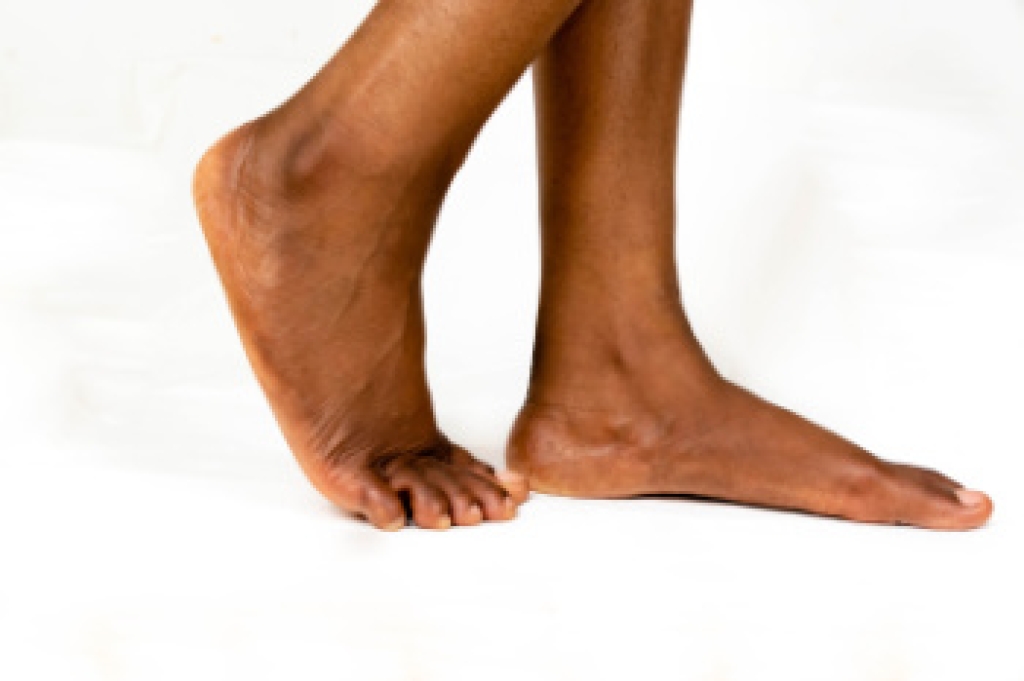
Flat feet occur when the arches of the feet are low or flattened, causing much or all of the sole to contact the ground while standing. Some people naturally have low arches, while others develop changes in their arches later in life. Factors that can contribute to flat feet include changes in the muscles or tissues that support the arch. An injury can also affect the structure of the foot. Some patients with flat feet have no discomfort, while others experience pain that affects daily activities. Symptoms can include aching in the arches, heel pain, and tired feet after standing. Discomfort can also develop around the ankles. Flat feet can change how weight and pressure move through the feet while standing or walking.
A podiatrist can evaluate flat feet by examining the arches and overall structure of the feet. An examination can include checking foot flexibility, ankle movement, and areas of tenderness. The podiatrist can also observe how the patient stands and walks to identify changes in foot movement. X-rays can provide additional information about the bones and joints when a closer evaluation is appropriate. Treatment can focus on supporting the arches and improving how pressure is distributed across the feet. Custom orthotics can provide support based on the patient's specific foot structure. A podiatrist can also recommend properly fitted shoes that provide suitable arch support and cushioning. Targeted treatment can address tightness or weakness that affects foot movement.
Flat feet can influence more than the appearance of the arches. Changes in foot movement can place additional stress on the ankles, lower legs, or knees. Patients can also change the way they walk when discomfort develops. A podiatrist can determine how flat feet affect movement and create a treatment plan based on the patient's symptoms. Care can focus on reducing painful pressure, improving support, and promoting comfortable movement. Treatment can be adjusted according to activity level and changes in symptoms. Professional evaluation can also help identify related foot problems that contribute to discomfort. If you have symptoms of flat feet, it is suggested that you make an appointment with a podiatrist for diagnosis and treatment.
Flatfoot is a condition many people suffer from. If you have flat feet, contact Julie Greenwood, DPM from The Podiatry Center. Our doctors will treat your foot and ankle needs.
What Are Flat Feet?
Flatfoot is a condition in which the arch of the foot is depressed and the sole of the foot is almost completely in contact with the ground. About 20-30% of the population generally has flat feet because their arches never formed during growth.
Conditions & Problems:
Having flat feet makes it difficult to run or walk because of the stress placed on the ankles.
Alignment – The general alignment of your legs can be disrupted, because the ankles move inward which can cause major discomfort.
Knees – If you have complications with your knees, flat feet can be a contributor to arthritis in that area.
Symptoms
Pain around the heel or arch area
Trouble standing on the tip toe
Swelling around the inside of the ankle
Flat look to one or both feet
Having your shoes feel uneven when worn
Treatment
If you are experiencing pain and stress on the foot you may weaken the posterior tibial tendon, which runs around the inside of the ankle.
If you have any questions, please feel free to contact one of our offices located in Richmondand Glen Allen, VA. We offer the newest diagnostic and treatment technologies for all your foot care needs.
Pain under the base of the big toe may be caused by two small bones, called sesamoids. They sit beneath the end of the long bone that connects to the big toe. The tiny bones help the big toe move and absorb pressure as the foot pushes off the ground. In some cases, a sesamoid bone is fractured or shifts from its usual position. Dancers, certain athletes, and runners face a higher risk because their activities place repeated pressure on the front of the foot. High arches, bunions, and frequent wearing of high-heeled shoes can also increase strain in this area.
Pain from sesamoiditis is usually centered under the big-toe joint and can develop gradually. It may become sharper when walking, running, or bending the big toe upward. Walking barefoot can be painful because there is little protection beneath the sore area. Wearing thin-soled and high-heeled shoes can also make symptoms worse. The skin near the joint may appear red, warm, or swollen. These signs can resemble a fracture, arthritis, or gout. Continuing to place pressure on the area can limit movement and make a patient change how the foot meets the ground.
A podiatrist can examine the painful area, check big-toe movement, and evaluate the way pressure moves through the foot. X-rays can help identify a fracture, arthritis, or a change in the position of a sesamoid bone. An MRI scan or another imaging test can provide more detail when the source of pain remains unclear. A podiatrist can provide offloading pads, prescribe custom orthotics, or recommend shoes with thick soles and lower heels. A podiatrist also may suggest taping, a brace, or a walking boot to limit painful movement while healing. Surgery is rarely considered, but it can be an option for severe damage that does not improve with other care. If you have symptoms of sesamoiditis, it is suggested that you schedule an appointment with a podiatrist for a diagnosis and appropriate treatment.
Toe pain can disrupt your daily activities. If you have any concerns, contact Julie Greenwood, DPM of The Podiatry Center. Our doctors can provide the care you need to keep you pain-free and on your feet.
What Causes Toe Pain?
Most severe toe pain is caused due to a sports injury, trauma from dropping something heavy on the toe, or bumping into something rigid. Other problems can develop over time for various reasons.
Toe pain can be caused by one or more ailments. The most common include:
Trauma
Sports injury
Wearing shoes that are too tight
Arthritis
Gout
Corns and calluses
Hammertoe
Bunions
Blisters
Ingrown toenails
Sprains
Fractures (broken bones)
Dislocations
When to See a Podiatrist
Severe pain
Persistent pain that lasts more than a week
Signs of infection
Continued swelling
Pain that prevents walking
Diagnosis
In many cases the cause of toe pain is obvious, but in others, a podiatrist may want to use more advanced methods to determine the problem. These can range from simple visual inspections and sensation tests to X-rays and MRI scans. Prior medical history, family medical history, and any recent physical traumatic events will all be taken into consideration for a proper diagnosis.
Treatment
Treatments for toe pain and injuries vary and may include shoe inserts, padding, taping, medicines, injections, and in some cases, surgery. If you believe that you have broken a toe, please see a podiatrist as soon as possible.
If you have any questions please contact one of our offices located in Richmondand Glen Allen, VA. We offer the newest diagnostic and treatment technologies for all your foot and ankle needs.
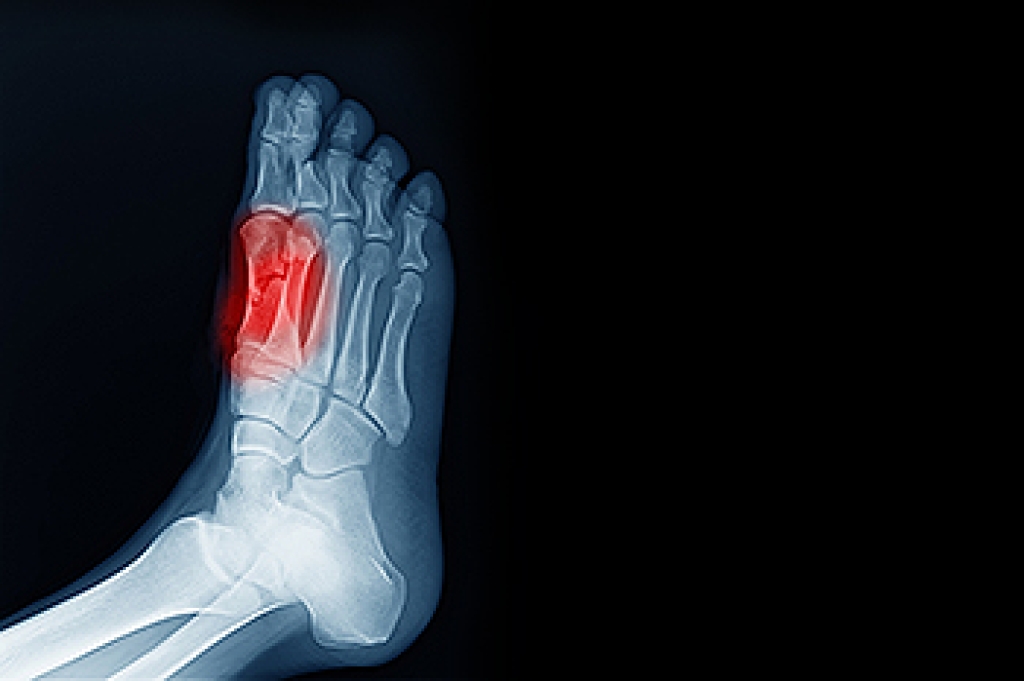
A broken toe occurs when one of the small bones in a toe cracks or breaks. The injury can range from a small hairline crack to a break in which pieces of bone move out of their normal position. Broken toes can result from stubbing a toe, dropping a heavy object on the foot, or forcefully bending a toe. A stress fracture, which is a small crack caused by repeated pressure, can also develop after a sudden increase in activities like running or walking. Symptoms include pain, swelling, and bruising. Some patients hear or feel a snap or pop when the injury happens. The injured toe can also appear crooked or out of position.
A podiatrist can evaluate a painful toe to determine whether a fracture is present and how serious the injury is. The examination can include checking the toe for tenderness, swelling, and changes in position. An X-ray can help confirm a fracture or determine whether the toe is dislocated. Treatment depends on which toe is injured and where the break is located. The severity of the fracture also affects treatment decisions. Injuries to the big toe can require more medical attention because this toe has an important role in balance and movement. A podiatrist can determine the appropriate treatment and monitor the toe as the bone heals.
Podiatric treatment for a broken toe focuses on keeping the injured bone in a proper position and protecting it while it heals. Depending on the fracture, a podiatrist can use buddy taping, a splint, or a cast to stabilize the toe. Buddy taping means securing the injured toe to a neighboring healthy toe for support. More serious fractures can require additional treatment, and surgery can be an option for a severe break. A podiatrist can also determine when it is safe to return to regular activities. Proper treatment is important because an untreated fracture can lead to lasting pain, limited movement, or a change in the toe's shape. If you have broken your toe, it is suggested that you schedule an appointment with a podiatrist for effective relief and treatment solutions.
A broken toe can be very painful and lead to complications if not properly fixed. If you have any concerns about your feet, contact Julie Greenwood, DPM from The Podiatry Center. Our doctors will treat your foot and ankle needs.
What to Know About a Broken Toe
Although most people try to avoid foot trauma such as banging, stubbing, or dropping heavy objects on their feet, the unfortunate fact is that it is a common occurrence. Given the fact that toes are positioned in front of the feet, they typically sustain the brunt of such trauma. When trauma occurs to a toe, the result can be a painful break (fracture).
Symptoms of a Broken Toe
Throbbing pain
Swelling
Bruising on the skin and toenail
The inability to move the toe
Toe appears crooked or disfigured
Tingling or numbness in the toe
Generally, it is best to stay off of the injured toe with the affected foot elevated.
Severe toe fractures may be treated with a splint, cast, and in some cases, minor surgery. Due to its position and the pressure it endures with daily activity, future complications can occur if the big toe is not properly treated.
If you have any questions, please feel free to contact one of our offices located in Richmondand Glen Allen, VA. We offer the newest diagnostic and treatment technologies for all your foot care needs.