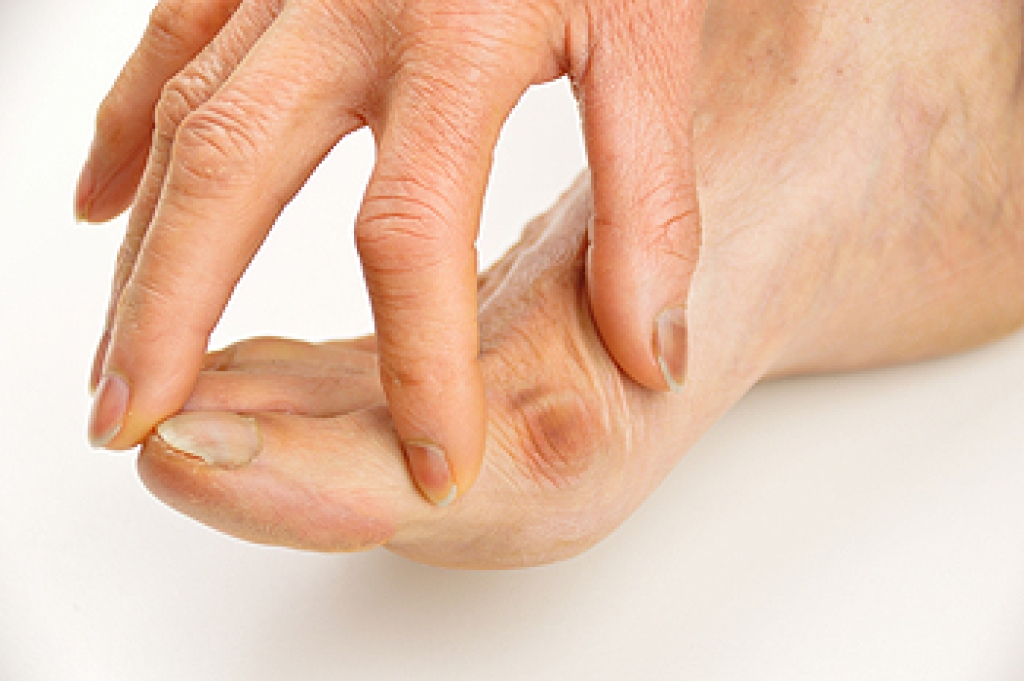
Bunions develop when the joint at the base of the big toe gradually changes position, creating a noticeable bump along the inner side of the foot. As the big toe shifts toward the smaller toes, pressure increases around the affected joint. Early symptoms include tenderness, swelling, or redness near the big toe. Some people also notice stiffness that makes bending the toe uncomfortable. Foot shape, inherited traits, and the way a person walks may influence bunion development. Shoes that place pressure on the front of the foot may worsen irritation. Bunions generally develop over several years, and their appearance may change as the affected joint becomes increasingly misaligned. Understanding these changes helps explain why bunion pain may gradually become more noticeable during everyday activities.
Bunion symptoms differ depending on how much the joint has changed. Pain may feel dull and persistent or become sharper when pressure is placed on the affected area. Some individuals notice throbbing discomfort at night, while others experience pain that spreads toward the ball of the foot. As the big toe moves closer to its neighboring toe, crowding may cause additional irritation. Repeated rubbing may lead to thickened skin, corns, or calluses. In more advanced cases, the big toe may overlap the second toe, making walking and wearing shoes uncomfortable. Swelling around the joint may also press against nearby nerves and produce shooting pain. The size of the bump does not always reflect how painful it feels. Changes in toe alignment and increasing difficulty with normal movement are important signs to discuss during a foot examination.
A podiatrist focuses on identifying the cause of bunion discomfort and evaluating changes in foot structure. This foot doctor examines the big toe joint, checks its range of motion, and reviews how symptoms affect walking. The assessment also helps distinguish bunions from other problems that cause pain near the toes. Treatment planning depends on the severity of the deformity and the amount of discomfort. A podiatrist may recommend appropriate footwear modifications or supportive devices to reduce pressure on the affected joint. Early evaluation helps identify changes in the joint and determine which treatment options are most appropriate. If bunion pain or changes in toe alignment are affecting your daily life, it is suggested that you consult a podiatrist for an evaluation and appropriate treatment options.
If you are suffering from bunion pain, contact Julie Greenwood, DPM of The Podiatry Center. Our doctors can provide the care you need to keep you pain-free and on your feet.
What Is a Bunion?
Bunions are painful bony bumps that usually develop on the inside of the foot at the joint of the big toe. As the deformity increases over time, it may become painful to walk and wear shoes. Women are more likely to exacerbate existing bunions since they often wear tight, narrow shoes that shift their toes together. Bunion pain can be relieved by wearing wider shoes with enough room for the toes.
Causes
- Genetics – some people inherit feet that are more prone to bunion development
- Inflammatory Conditions - rheumatoid arthritis and polio may cause bunion development
Symptoms
- Redness and inflammation
- Pain and tenderness
- Callus or corns on the bump
- Restricted motion in the big toe
In order to diagnose your bunion, your podiatrist may ask about your medical history, symptoms, and general health. Your doctor might also order an x-ray to take a closer look at your feet. Nonsurgical treatment options include orthotics, padding, icing, changes in footwear, and medication. If nonsurgical treatments don’t alleviate your bunion pain, surgery may be necessary.
If you have any questions, please feel free to contact one of our offices located in Richmond and Glen Allen, VA . We offer the newest diagnostic and treatment technologies for all your foot care needs.