
Richmond Office
(804) 262-7153


(804) 262-0104 Fax

Glen Allen Office
(804) 747-3380

Review Us On Google
Review Us On Google
Review Us On Google

Blog

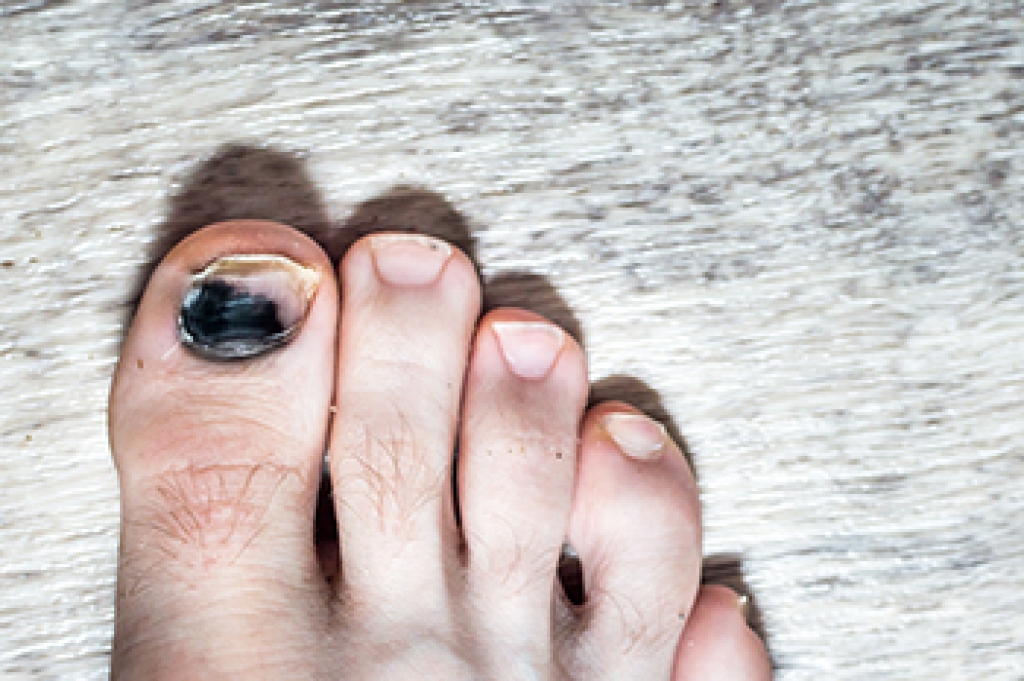
Causes and Symptoms of Runner’s Toe

Runner's toe is a condition commonly experienced by runners and those who walk frequently. It occurs when repetitive trauma causes blood to collect beneath the toenail. It results in a blackened nail, known as a subungual hematoma. Wearing tight shoes and constant pressure on the toes during such exercise can lead to this issue. Symptoms of runner's toe include nail discoloration, pain, and occasionally, the nail separating from the nail bed. While a black toenail may heal on its own, it can sometimes lead to complications, such as infection or thickening of the nail. A podiatrist can assess the severity of the blackened toenail and suggest pain relief medication. This foot doctor will also check for underlying issues, such as fungal infections or circulatory problems that may contribute to the condition. If you are a runner with a toenail that has turned black, it is suggested that you visit a podiatrist for an exam and treatment.

Exercising your feet regularly with the proper foot wear is a great way to prevent injuries. If you have any concerns about your feet, contact one of our podiatrists of The Podiatry Center. Our doctors will treat your foot and ankle needs.

How to Prevent Running Injuries

Many common running injuries are caused by overuse and overtraining. When the back of the kneecap starts wearing out and starts causing pain in your knee, this is commonly referred to as runner’s knee. Runner’s knee is a decrease in strength in your quadriceps and can occur if you’re not wearing properly fitted or supporting shoes. To prevent runner’s knee, focusing on hip strengthening is a good idea, as well as strengthening your quads to keep the kneecaps aligned.

What Are Some Causes of Running Injuries? 
- One cause of a common running injury is called iliotibial band syndrome.
- Plantar fasciitis is also another common injury.
- Stress fractures can occur from overtraining, lack of calcium, or even your running style.

Best Ways to Prevent Running Injuries
- Wear footwear that fits properly and suits your running needs.
- Running shoes are the only protective gear that runners have to safeguard them from injury.
- Make a training schedule. Adding strengthening exercises as well as regular stretching can help keep you strong and limber and can lessen the possibility of injuries.
- Stretching keeps muscles limber; this will help you gain better flexibility.

If you have any questions, please feel free to contact one of our offices located in Richmond and Glen Allen, VA . We offer the newest diagnostic and treatment technologies for all your foot care needs.
Read more about How to Prevent Running Injuries

Prevention Tips for Falling at Work

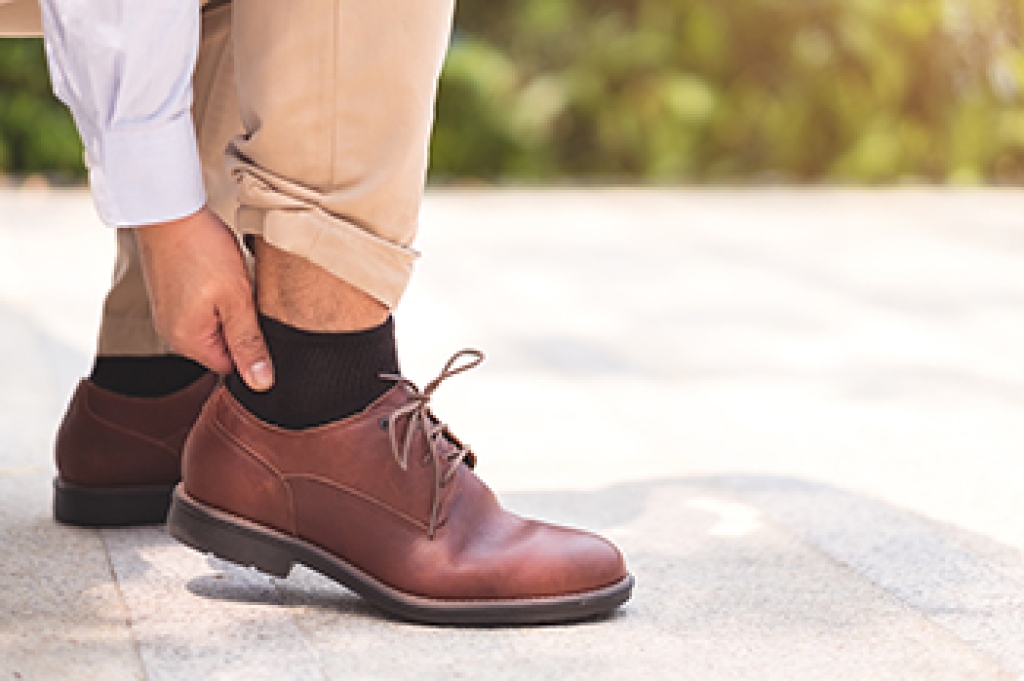
Falls in the workplace can lead to a range of foot injuries, including bruises and contusions, cuts, sprains, and strains. To prevent such accidents, it is essential to maintain a clutter-free environment and ensure that floors are clean and dry. Proper lighting in all areas can help avoid trips and falls, and non-slip mats should be used in high-risk zones. Employees should also be encouraged to use handrails on stairs and to wear appropriate shoes that provide good traction. Regular safety training and awareness programs are critical for reinforcing these practices. Falling in the workplace can impact the feet and may cause loss of wages. If you have injured your feet from falling, it is suggested that you consult a podiatrist who can treat various foot conditions and get you back to work.

Preventing falls among the elderly is very important. If you are older and have fallen or fear that you are prone to falling, consult with one of our podiatrists from The Podiatry Center. Our doctors will assess your condition and provide you with quality advice and care.

Every 11 seconds, an elderly American is being treated in an emergency room for a fall related injury. Falls are the leading cause of head and hip injuries for those 65 and older. Due to decreases in strength, balance, senses, and lack of awareness, elderly persons are very susceptible to falling. Thankfully, there are a number of things older persons can do to prevent falls.

How to Prevent Falls

Some effective methods that older persons can do to prevent falls include:

  • Enrolling in strength and balance exercise program to increase balance and strength
  • Periodically having your sight and hearing checked
  • Discuss any medications you have with a doctor to see if it increases the risk of falling
  • Clearing the house of falling hazards and installing devices like grab bars and railings
  • Utilizing a walker or cane
  • Wearing shoes that provide good support and cushioning
  • Talking to family members about falling and increasing awareness

Falling can be a traumatic and embarrassing experience for elderly persons; this can make them less willing to leave the house, and less willing to talk to someone about their fears of falling. Doing such things, however, will increase the likelihood of tripping or losing one’s balance. Knowing the causes of falling and how to prevent them is the best way to mitigate the risk of serious injury.  

If you have any questions, please feel free to contact one of our offices located in Richmond and Glen Allen, VA . We offer the newest diagnostic and treatment technologies for all your foot care needs.

Read more about Falls Prevention

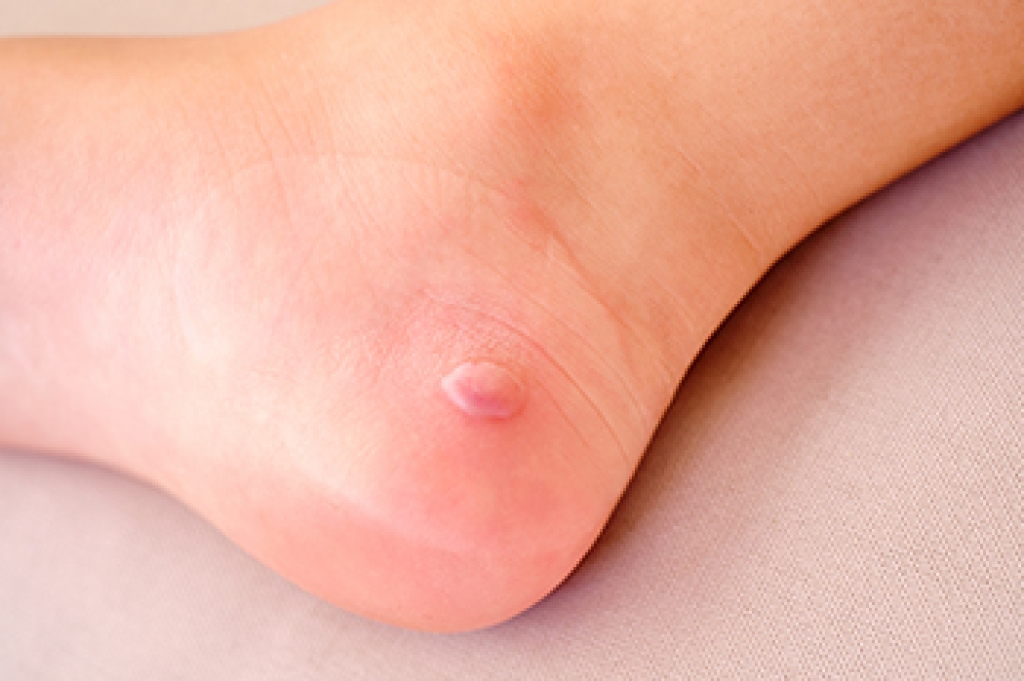
What Causes Blisters on the Feet?

A friction blister on the foot is a small, fluid-filled bubble that forms on the skin due to repeated friction or rubbing. This common condition typically occurs in areas where the skin is subjected to constant pressure, such as the heels or the balls of the feet. The primary cause is prolonged or intense friction from wearing poorly fitting shoes, new footwear, or excessive physical activity. Moisture from sweat can worsen the problem by softening the skin, making it more susceptible to blisters. Wearing proper footwear and moisture-wicking socks can help reduce the risk of developing friction blisters. If you have developed a foot blister that has become infected, it is strongly suggested that you contact a podiatrist who can treat this condition and offer effective prevention tips.

Blisters may appear as a single bubble or in a cluster. They can cause a lot of pain and may be filled with pus, blood, or watery serum. If your feet are hurting, contact one of our podiatrists of The Podiatry Center. Our doctors can provide the care you need to keep you pain-free and on your feet.

Foot Blisters

Foot blisters are often the result of friction. This happens due to the constant rubbing from shoes, which can lead to pain.

What Are Foot Blisters?

A foot blister is a small fluid-filled pocket that forms on the upper-most layer of the skin. Blisters are filled with clear fluid and can lead to blood drainage or pus if the area becomes infected.

Symptoms

(Blister symptoms may vary depending on what is causing them)

  • Bubble of skin filled with fluid
  • Redness
  • Moderate to severe pain
  • Itching

Prevention & Treatment

In order to prevent blisters, you should be sure to wear comfortable shoes with socks that cushion your feet and absorb sweat. Breaking a blister open may increase your chances of developing an infection. However, if your blister breaks, you should wash the area with soap and water immediately and then apply a bandage to the affected area. If your blisters cause severe pain it is important that you call your podiatrist right away.

If you have any questions, please feel free to contact one of our offices located in Richmond and Glen Allen, VA . We offer the newest diagnostic and treatment technologies for all your foot care needs.
Read more about Blisters on the Feet

Plantar Warts Can Be Treated!

Plantar warts are small growths that develop on parts of the feet that bear weight. They're typically found on the bottom of the foot. Don't live with plantar warts, and call us today!

Treatment of Acute Ankle Injuries

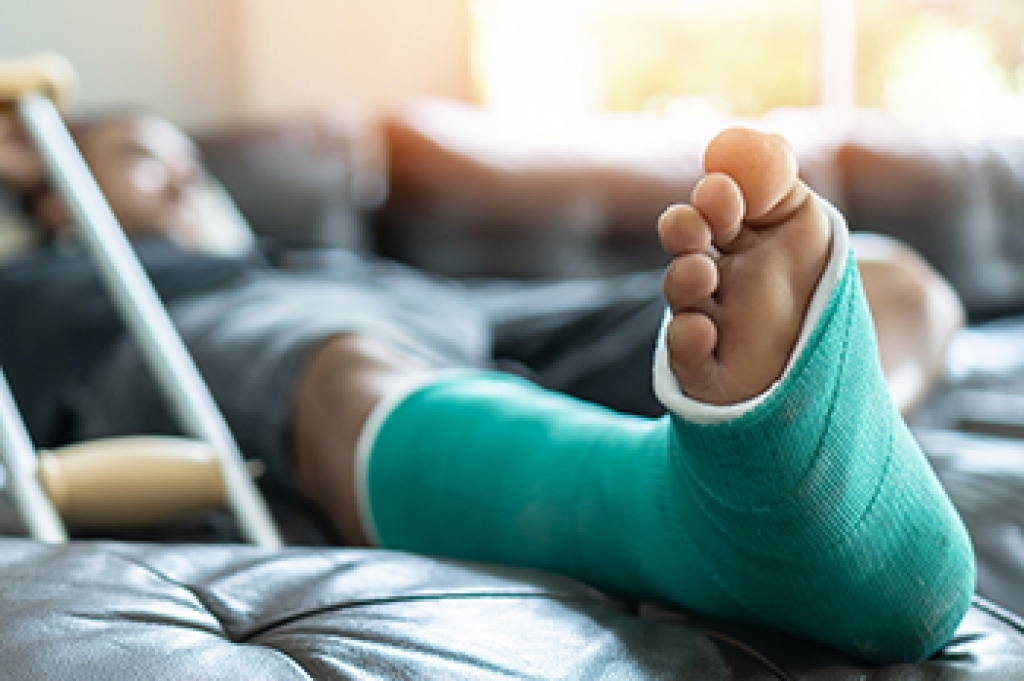
Acute ankle injuries are common and can involve sprains, fractures, or soft tissue damage. Clinical guidelines podiatrists use help determine whether an X-ray is needed, based on specific criteria, such as pain in certain bone areas and difficulty bearing weight. A physical exam can assess soft tissue damage, differentiating stable from unstable injuries. Stable injuries involve intact ligaments and bones, allowing conservative treatment like rest and compression. Unstable injuries, often involving complete ligament tears, may require immobilization or more aggressive treatment. If symptoms persist, an MRI can reveal deeper issues, such as syndesmosis injury, where the ligaments between the tibia and fibula are damaged. This often requires a longer recovery. Surgery is typically reserved for chronic instability or severe injuries. If you have injured your ankle, it is suggested that you schedule an appointment with a podiatrist for a proper diagnosis and appropriate treatment.

Foot and ankle trauma is common among athletes and the elderly. If you have concerns that you may have experienced trauma to the foot and ankle, consult with one of our podiatrists from The Podiatry Center. Our doctors will assess your condition and provide you with quality foot and ankle treatment.

Foot and ankle trauma cover a range of injuries all over the foot; common injuries include:

  • Broken bones
  • Muscle strains
  • Injuries to the tendons and ligaments
  • Stress fractures

Symptoms

Symptoms of foot and ankle injuries vary depending on the injury, but more common ones include:

  • Bruising
  • Inflammation/ Swelling
  • Pain

Diagnosis

To properly diagnose the exact type of injury, podiatrists will conduct a number of different tests. Some of these include sensation and visual tests, X-rays, and MRIs. Medical and family histories will also be taken into account.

Treatment

Once the injury has been diagnosed, the podiatrist can than offer the best treatment options for you. In less severe cases, rest and keeping pressure off the foot may be all that’s necessary. Orthotics, such as a specially made shoes, or immobilization devices, like splints or casts, may be deemed necessary. Finally, if the injury is severe enough, surgery may be necessary.

If you have any questions, please feel free to contact one of our offices located in Richmond and Glen Allen, VA . We offer the newest diagnostic and treatment technologies for all your foot care needs.

Read more about Foot and Ankle Fractures
Connect with us