
Richmond Office
(804) 262-7153


(804) 262-0104 Fax

Glen Allen Office
(804) 747-3380

Review Us On Google
Review Us On Google
Review Us On Google

Blog

Different Types of Flat Feet

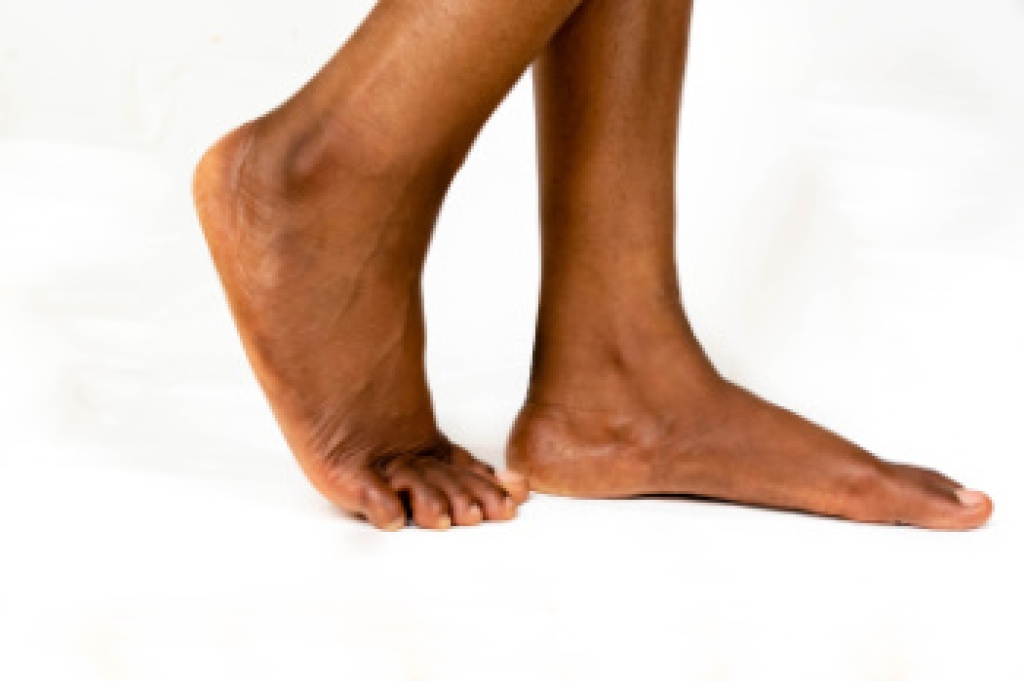
Flat feet, also known as pes planus, occur when the medial longitudinal arch of the foot is flattened, causing the sole to make full or nearly full contact with the ground. There are different types of flat feet. Flexible flat feet are common and often appear in childhood, with the arch visible when the foot is off the ground but disappearing during weight-bearing. Rigid flat feet, on the other hand, remain flat whether standing or not and can be associated with structural problems in the bones or joints. Flat feet may be congenital, meaning present at birth, or acquired later in life due to tendon dysfunction, arthritis, or injury. In some cases, obesity, aging, or pregnancy can contribute to arch collapse. A podiatrist can assess the type of flat foot through physical examination and imaging, and determine whether treatment or surgery is necessary. If having flat feet disrupts your daily activities, it is suggested that you make an appointment with a podiatrist for an exam, diagnosis, and appropriate treatment.

Flatfoot is a condition many people suffer from. If you have flat feet, contact one of our podiatrists from The Podiatry Center. Our doctors will treat your foot and ankle needs.

What Are Flat Feet?

Flatfoot is a condition in which the arch of the foot is depressed and the sole of the foot is almost completely in contact with the ground. About 20-30% of the population generally has flat feet because their arches never formed during growth.

Conditions & Problems:

Having flat feet makes it difficult to run or walk because of the stress placed on the ankles.

Alignment – The general alignment of your legs can be disrupted, because the ankles move inward which can cause major discomfort.

Knees – If you have complications with your knees, flat feet can be a contributor to arthritis in that area.  

Symptoms

  • Pain around the heel or arch area
  • Trouble standing on the tip toe
  • Swelling around the inside of the ankle
  • Flat look to one or both feet
  • Having your shoes feel uneven when worn

Treatment

If you are experiencing pain and stress on the foot you may weaken the posterior tibial tendon, which runs around the inside of the ankle. 

If you have any questions, please feel free to contact one of our offices located in Richmond and Glen Allen, VA . We offer the newest diagnostic and treatment technologies for all your foot care needs.

Read more about Flat Feet

Recognizing Symptoms of Ankle Osteoarthritis

Ankle osteoarthritis develops when the protective cartilage in the ankle joint wears down over time, leading to pain and stiffness. Symptoms often begin gradually and worsen with activity. Many people notice aching or tenderness in the ankle that increases after walking or standing for long periods of time. Swelling may occur surrounding the joint, and the ankle can feel stiff, particularly in the morning or after rest. As the condition progresses, the range of motion may become limited, making it harder to move the ankle smoothly. Some individuals experience a grinding or catching sensation due to rough joint surfaces. In more advanced cases, deformity and instability may develop, which can interfere with daily activities. If you are experiencing ongoing ankle discomfort or stiffness, it is suggested that you schedule an appointment with a podiatrist to receive a proper diagnosis and tailored treatment plan.

Ankle pain can be caused by a number of problems and may be potentially serious. If you have ankle pain, consult with one of our podiatrists from The Podiatry Center. Our doctors will assess your condition and provide you with quality foot and ankle treatment.

Ankle pain is any condition that causes pain in the ankle. Due to the fact that the ankle consists of tendons, muscles, bones, and ligaments, ankle pain can come from a number of different conditions.

Causes

The most common causes of ankle pain include:

  • Types of arthritis (rheumatoid, osteoarthritis, and gout)
  • Ankle sprains
  • Broken ankles
  • Achilles tendonitis
  • Achilles tendon rupture
  • Stress fractures
  • Bursitis
  • Tarsal tunnel syndrome
  • Plantar fasciitis

Symptoms

Symptoms of ankle injury vary based upon the condition. Pain may include general pain and discomfort, swelling, aching, redness, bruising, burning or stabbing sensations, and/or loss of sensation.

Diagnosis

Due to the wide variety of potential causes of ankle pain, podiatrists will utilize a number of different methods to properly diagnose ankle pain. This can include asking for personal and family medical histories and of any recent injuries. Further diagnosis may include sensation tests, a physical examination, and potentially x-rays or other imaging tests.

Treatment

Just as the range of causes varies widely, so do treatments. Some more common treatments are rest, ice packs, keeping pressure off the foot, orthotics and braces, medication for inflammation and pain, and surgery.

If you have any questions please feel free to contact one of our offices located in Richmond and Glen Allen, VA . We offer the newest diagnostic tools and technology to treat your foot and ankle needs.

Read more about Various Causes of Ankle Pain

The Difference Between Corns and Calluses

Corns and calluses are common foot problems that result from repeated friction or pressure on the skin. Both involve a buildup of hardened skin, medically known as hyperkeratosis, but they differ in appearance and discomfort. A callus is a broad, flattened patch of thickened skin that usually develops on the heel, ball of the foot, or other weight-bearing areas. In contrast, a corn is a smaller, more localized lesion that often has a hard center and can cause sharp pain when pressed. Corns may form on the top and sides of toes, between toes, or along bony areas where shoes rub. Abnormal foot structure, hammertoes, bunions, or shoes that lack adequate support can all contribute to their development. A podiatrist can evaluate the cause, carefully trim away thickened tissue, and provide orthotic devices to redistribute pressure. If you have a painful corn on your feet or toes, it is suggested that you schedule an appointment with a podiatrist for an evaluation and appropriate treatment.

Corns can make walking very painful and should be treated immediately. If you have questions regarding your feet and ankles, contact one of our podiatrists of The Podiatry Center. Our doctors will treat your foot and ankle needs.

Corns: What Are They? And How Do You Get Rid of Them?
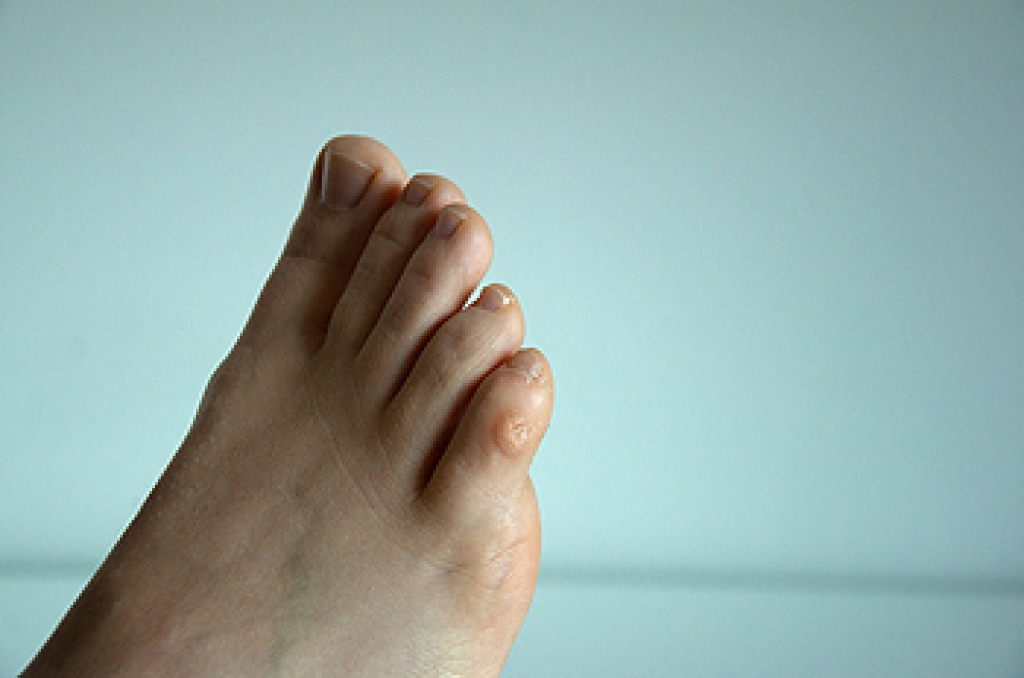
Corns are thickened areas on the skin that can become painful. They are caused by excessive pressure and friction on the skin. Corns press into the deeper layers of the skin and are usually round in shape.

Ways to Prevent Corns
There are many ways to get rid of painful corns such as:

  • Wearing properly fitting shoes that have been measured by a professional
  • Wearing shoes that are not sharply pointed or have high heels
  • Wearing only shoes that offer support

Treating Corns

Although most corns slowly disappear when the friction or pressure stops, this isn’t always the case. Consult with your podiatrist to determine the best treatment option for your case of corns.

If you have any questions, please feel free to contact one of our offices located in Richmond and Glen Allen, VA . We offer the newest diagnostic and treatment technologies for all your foot care needs.

Read more about Understanding Corns and Calluses

Why Feet May Ache More After Dark

Pain that sets in during the evening or overnight can have many triggers. Irritated nerves may create tingling or burning once the feet are still. Circulation changes in a reclined position can lead to throbbing or heaviness. Inflammation from arthritis may stiffen joints during hours of rest, while strain in the plantar fascia can cause lingering soreness from the day’s activity. Muscle cramps, often linked to dehydration or low mineral levels, may jolt you awake. Even blankets pressing on the toes can aggravate tender spots. Because these sensations can stem from multiple causes, finding lasting relief depends on identifying the source. Solutions might include specific exercises, wearing better footwear, or podiatric treatment. If foot pain regularly interferes with rest, it is suggested that you see a podiatrist for a full evaluation and targeted care.

Foot Pain

Foot pain can be extremely painful and debilitating. If you have a foot pain, consult with one of our podiatrists from The Podiatry Center. Our doctors will assess your condition and provide you with quality foot and ankle treatment.

Causes

Foot pain is a very broad condition that could be caused by one or more ailments. The most common include:

  • Bunions
  • Hammertoes
  • Plantar Fasciitis
  • Bone Spurs
  • Corns
  • Tarsal Tunnel Syndrome
  • Ingrown Toenails
  • Arthritis (such as Gout, Rheumatoid, and Osteoarthritis)
  • Flat Feet
  • Injury (from stress fractures, broken toe, foot, ankle, Achilles tendon ruptures, and sprains)
  • And more

Diagnosis

To figure out the cause of foot pain, podiatrists utilize several different methods. This can range from simple visual inspections and sensation tests to X-rays and MRI scans. Prior medical history, family medical history, and any recent physical traumatic events will all be taken into consideration for a proper diagnosis.

Treatment

Treatment depends upon the cause of the foot pain. Whether it is resting, staying off the foot, or having surgery; podiatrists have a number of treatment options available for foot pain.

If you have any questions, please feel free to contact one of our offices located in Richmond and Glen Allen, VA . We offer the newest diagnostic and treatment technologies for all your foot care needs.

Read more about Foot Pain

Plantar Warts Can Be Treated!

Plantar warts are small growths that develop on parts of the feet that bear weight. They're typically found on the bottom of the foot. Don't live with plantar warts, and call us today!

Connect with us