Richmond Office
(804) 262-7153


(804) 262-0104 Fax

Glen Allen Office
(804) 747-3380

Review Us On Google
Review Us On Google
Review Us On Google

Blog

A Partial or Complete Achilles Tendon Rupture

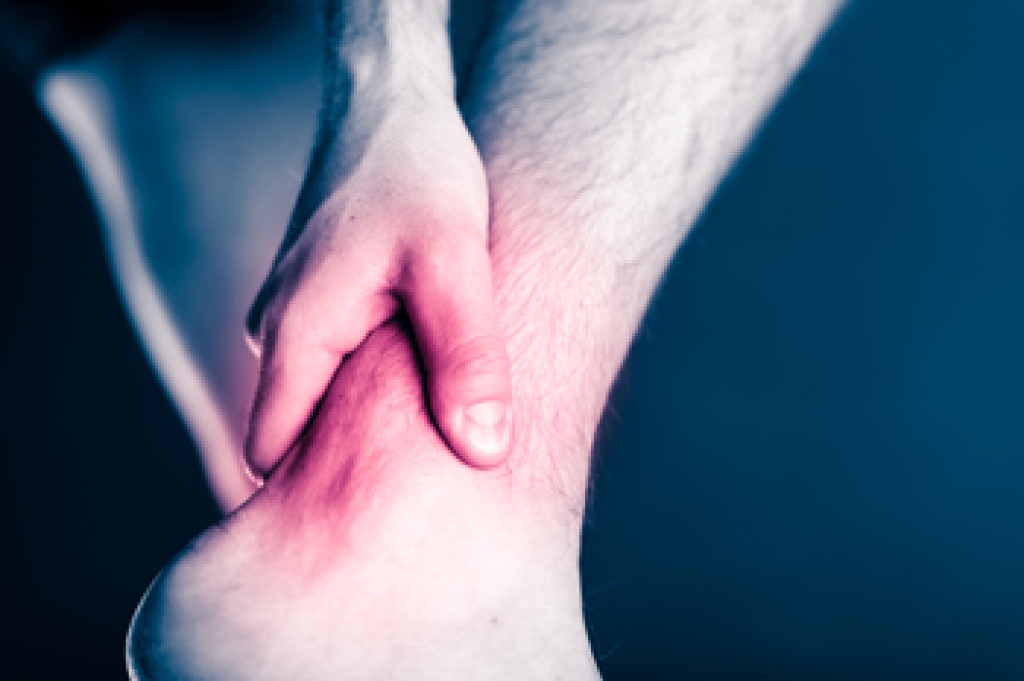
The Achilles tendon is responsible for pointing and flexing the foot, which is necessary in walking and running. It is located at the back of the heel, and connects the calf muscles to the heel. An Achilles tendon injury can occur from increasing speed and distance too quickly while running, or not properly warming up and cooling down. A tear may occur, and if the rupture is partial, the tendon remains attached to the calf muscle. A complete tear, where there is no connection between the tendon and muscle, is known as a rupture, and it is very painful and difficult to walk. This can happen as a result of high levels of stress put on the Achilles tendon from participating in activities that can include tennis, basketball, and football. There may be existing medical conditions and medications that can weaken the Achilles tendon and contribute to enduring an injury, such as Cushing’s syndrome, prednisolone, and ciprofloxacin. Common symptoms that many patients experience can be the inability to stand on their tiptoes, and there may be a flat-footed walking style. An Achilles tendon injury can be treated in different ways, and it is suggested that you urgently consult the expertise of a podiatrist who can determine what is best for you.

Achilles tendon injuries need immediate attention to avoid future complications. If you have any concerns, contact one of our podiatrists of The Podiatry Center. Our doctors can provide the care you need to keep you pain-free and on your feet.

What Is the Achilles Tendon?

The Achilles tendon is a tendon that connects the lower leg muscles and calf to the heel of the foot. It is the strongest tendon in the human body and is essential for making movement possible. Because this tendon is such an integral part of the body, any injuries to it can create immense difficulties and should immediately be presented to a doctor.

What Are the Symptoms of an Achilles Tendon Injury?

There are various types of injuries that can affect the Achilles tendon. The two most common injuries are Achilles tendinitis and ruptures of the tendon.

Achilles Tendinitis Symptoms

  • Inflammation
  • Dull to severe pain
  • Increased blood flow to the tendon
  • Thickening of the tendon

Rupture Symptoms

  • Extreme pain and swelling in the foot
  • Total immobility

Treatment and Prevention

Achilles tendon injuries are diagnosed by a thorough physical evaluation, which can include an MRI. Treatment involves rest, physical therapy, and in some cases, surgery. However, various preventative measures can be taken to avoid these injuries, such as:

  • Thorough stretching of the tendon before and after exercise
  • Strengthening exercises like calf raises, squats, leg curls, leg extensions, leg raises, lunges, and leg presses

If you have any questions please feel free to contact one of our offices located in Richmond and Glen Allen, VA . We offer the newest diagnostic tools and technology to treat your foot and ankle needs.
Read more about What are Achilles Tendon Injuries

Foot Exercises That Can Help Seniors Prevent Falls

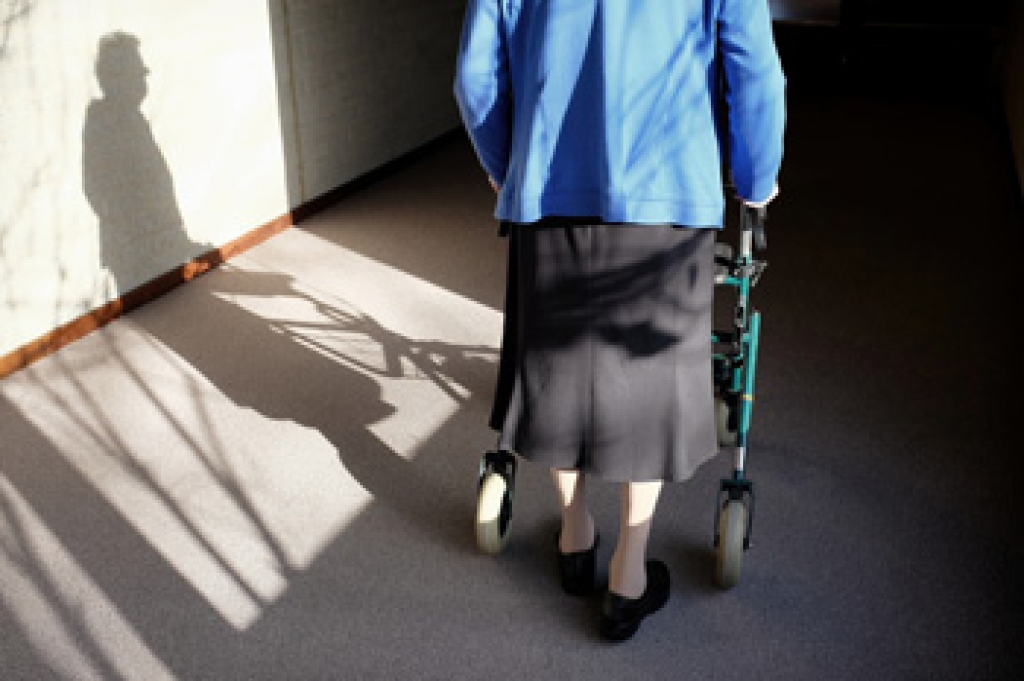
As people age, they are at an increasing risk of suffering a dangerous fall. However, there are several ways in which seniors can prevent trips and tumbles by focusing on their feet. Specifically, seniors can practice simple, isolated foot exercises to strengthen their muscles and improve stability. First, a senior can practice heel-toe walking by slowly placing one foot directly in front of the other in succession, making sure that each time the heel is placed up against the other foot’s toes. It might be helpful to extend the arms horizontally at one’s sides or lightly touch a wall for extra balance. Additionally, a senior may perform foot taps, where one stands at the bottom of a staircase with their feet hip-width apart and slowly raises each foot to gently tap the top of the bottom stair. One can alternate feet each time to help build stability and balance. Each of these exercises can be performed three to five times per week. A senior might even consider performing these exercises with the help of a friend or loved one. A podiatrist can give you more tips about improving balance to prevent falls.

Preventing falls among the elderly is very important. If you are older and have fallen or fear that you are prone to falling, consult with one of our podiatrists from The Podiatry Center. Our doctors will assess your condition and provide you with quality advice and care.

Every 11 seconds, an elderly American is being treated in an emergency room for a fall related injury. Falls are the leading cause of head and hip injuries for those 65 and older. Due to decreases in strength, balance, senses, and lack of awareness, elderly persons are very susceptible to falling. Thankfully, there are a number of things older persons can do to prevent falls.

How to Prevent Falls

Some effective methods that older persons can do to prevent falls include:

  • Enrolling in strength and balance exercise program to increase balance and strength
  • Periodically having your sight and hearing checked
  • Discuss any medications you have with a doctor to see if it increases the risk of falling
  • Clearing the house of falling hazards and installing devices like grab bars and railings
  • Utilizing a walker or cane
  • Wearing shoes that provide good support and cushioning
  • Talking to family members about falling and increasing awareness

Falling can be a traumatic and embarrassing experience for elderly persons; this can make them less willing to leave the house, and less willing to talk to someone about their fears of falling. Doing such things, however, will increase the likelihood of tripping or losing one’s balance. Knowing the causes of falling and how to prevent them is the best way to mitigate the risk of serious injury.  

If you have any questions, please feel free to contact one of our offices located in Richmond and Glen Allen, VA . We offer the newest diagnostic and treatment technologies for all your foot care needs.

Read more about Falls Prevention

Things to Know About a Broken Foot

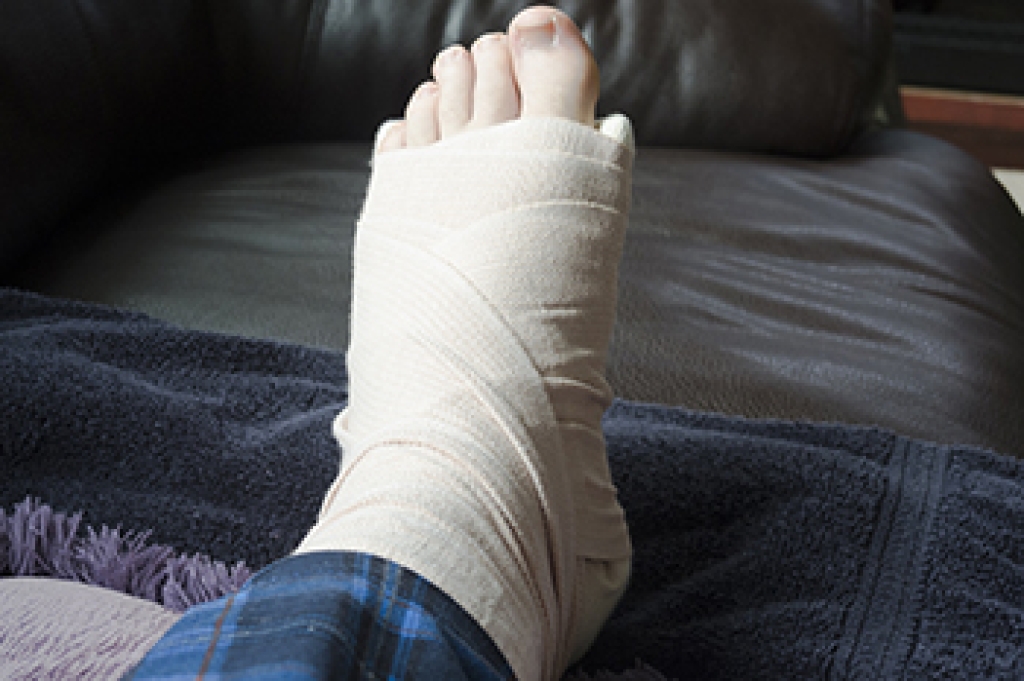
The foot withstands considerable force placed on it by all the activities we do, including walking. There are 26 bones in the foot that are connected by joints and supported by ligaments to absorb the impact of movement. Also, muscles and tendons in the foot allow for flexing and extending the foot. Bones in the foot can break from direct blows, injuries, falls, overuse, or stress. Symptoms of a broken foot include pain, swelling, bruising, and an inability to put weight on the foot. If a bone is sticking out from the foot after a fracture, it is more serious and could become a deformity. Most foot fractures are treated with a compression dressing, a stiff soled shoe or boot, and weight bearing as tolerated. Complications can arise from a foot fracture if the bones do not heal properly, if arthritis is involved, one has peripheral neuropathy, or if the skin is broken and an infection develops. Healing time depends on the type of break and the bones involved. A podiatrist should be consulted to confirm a break, access its severity, and for a proper treatment regimen.

A broken foot requires immediate medical attention and treatment. If you need your feet checked, contact one of our podiatrists from The Podiatry Center. Our doctors can provide the care you need to keep you pain-free and on your feet.

Broken Foot Causes, Symptoms, and Treatment

A broken foot is caused by one of the bones in the foot typically breaking when bended, crushed, or stretched beyond its natural capabilities. Usually the location of the fracture indicates how the break occurred, whether it was through an object, fall, or any other type of injury. 

Common Symptoms of Broken Feet:

  • Bruising
  • Pain
  • Redness
  • Swelling
  • Blue in color
  • Numbness
  • Cold
  • Misshapen
  • Cuts
  • Deformities

Those that suspect they have a broken foot shoot seek urgent medical attention where a medical professional could diagnose the severity.

Treatment for broken bones varies depending on the cause, severity and location. Some will require the use of splints, casts or crutches while others could even involve surgery to repair the broken bones. Personal care includes the use of ice and keeping the foot stabilized and elevated.

If you have any questions, please feel free to contact one of our offices located in Richmond and Glen Allen, VA . We offer the newest diagnostic and treatment technologies for all your foot care needs.

Read more about Causes, Symptoms, and Treatment for a Broken Foot

How Long Can Gout Last?

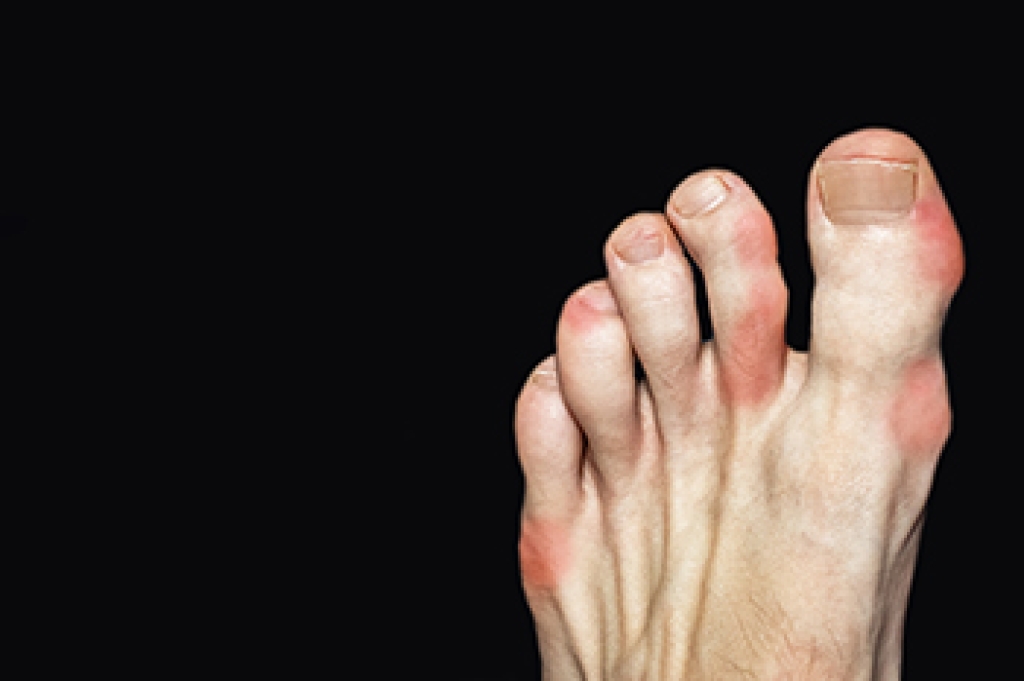
Severe pain, swelling, and redness surrounding the joint in the big toe can be indicative gout. It is a form of arthritis, and it can come from genetic factors or from eating foods that are high in purine levels. Elevated levels of purine can produce uric acid, and form crystals that can build up in the joints of the big toe. Some foods that have large amounts of purines include red meat, shellfish, and drinks that are made with large amounts of sugar. Additionally, people who are overweight, have high blood pressure, or who are diabetic may be prone to getting gout. This condition occurs in flare-ups and can last up to a week. Chronic gout may cause loss of mobility and joint damage. There are effective preventative methods that may help to control the onset of gout. These can consist of incorporating a healthy diet into your daily routine, performing simple exercise programs, and maintaining an acceptable weight. If you suffer from gout, it is strongly suggested that you are under the care of a podiatrist who can help you with additional prevention and treatment options.

Gout is a painful condition that can be treated. If you are seeking treatment, contact one of our podiatrists from The Podiatry Center. Our doctors will treat your foot and ankle needs.

What Is Gout?

Gout is a form of arthritis that is characterized by sudden, severe attacks of pain, redness, and tenderness in the joints. The condition usually affects the joint at the base of the big toe. A gout attack can occur at any random time, such as the middle of the night while you are asleep.

Symptoms

  • Intense Joint Pain - Usually around the large joint of your big toe, and it most severe within the first four to twelve hours
  • Lingering Discomfort - Joint discomfort may last from a few days to a few weeks
  • Inflammation and Redness -Affected joints may become swollen, tender, warm and red
  • Limited Range of Motion - May experience a decrease in joint mobility

Risk Factors

  • Genetics - If family members have gout, you’re more likely to have it
  • Medications - Diuretic medications can raise uric acid levels
  • Gender/Age - Gout is more common in men until the age of 60. It is believed that estrogen protects women until that point
  • Diet - Eating red meat and shellfish increases your risk
  • Alcohol - Having more than two alcoholic drinks per day increases your risk
  • Obesity - Obese people are at a higher risk for gout

Prior to visiting your podiatrist to receive treatment for gout, there are a few things you should do beforehand. If you have gout you should write down your symptoms--including when they started and how often you experience them, important medical information you may have, and any questions you may have. Writing down these three things will help your podiatrist in assessing your specific situation so that he or she may provide the best route of treatment for you.

If you have any questions, please feel free to contact one of our offices located in Richmond and Glen Allen, VA . We offer the newest diagnostic and treatment technologies for all your foot care needs.

Read more about Gout

Do Your Child's Feet Hurt?

Have your child's feet been examined lately? Healthy feet are happy feet. If your child is complaining of foot pain, it may be a sign of underlying problems.

Connect with us