Blog

How a Podiatrist Can Help With Flat Feet

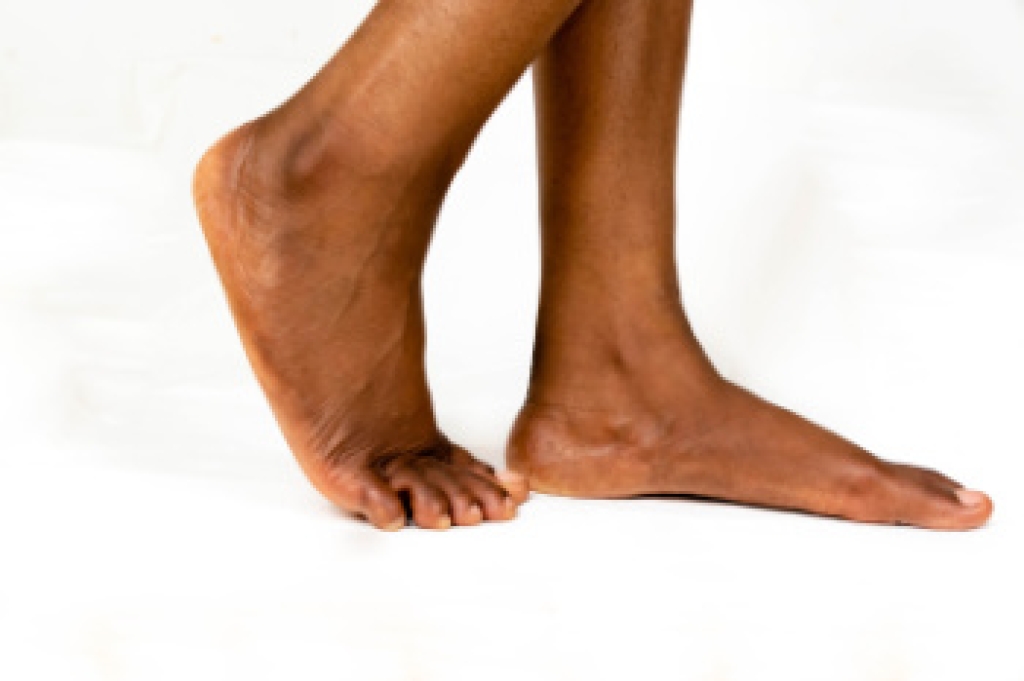
Flat feet occur when the arches of the feet are low or flattened, causing much or all of the sole to contact the ground while standing. Some people naturally have low arches, while others develop changes in their arches later in life. Factors that can contribute to flat feet include changes in the muscles or tissues that support the arch. An injury can also affect the structure of the foot. Some patients with flat feet have no discomfort, while others experience pain that affects daily activities. Symptoms can include aching in the arches, heel pain, and tired feet after standing. Discomfort can also develop around the ankles. Flat feet can change how weight and pressure move through the feet while standing or walking.

A podiatrist can evaluate flat feet by examining the arches and overall structure of the feet. An examination can include checking foot flexibility, ankle movement, and areas of tenderness. The podiatrist can also observe how the patient stands and walks to identify changes in foot movement. X-rays can provide additional information about the bones and joints when a closer evaluation is appropriate. Treatment can focus on supporting the arches and improving how pressure is distributed across the feet. Custom orthotics can provide support based on the patient's specific foot structure. A podiatrist can also recommend properly fitted shoes that provide suitable arch support and cushioning. Targeted treatment can address tightness or weakness that affects foot movement.

Flat feet can influence more than the appearance of the arches. Changes in foot movement can place additional stress on the ankles, lower legs, or knees. Patients can also change the way they walk when discomfort develops. A podiatrist can determine how flat feet affect movement and create a treatment plan based on the patient's symptoms. Care can focus on reducing painful pressure, improving support, and promoting comfortable movement. Treatment can be adjusted according to activity level and changes in symptoms. Professional evaluation can also help identify related foot problems that contribute to discomfort. If you have symptoms of flat feet, it is suggested that you make an appointment with a podiatrist for diagnosis and treatment.

Flatfoot is a condition many people suffer from. If you have flat feet, contact Julie Greenwood, DPM from The Podiatry Center. Our doctors will treat your foot and ankle needs.

What Are Flat Feet?

Flatfoot is a condition in which the arch of the foot is depressed and the sole of the foot is almost completely in contact with the ground. About 20-30% of the population generally has flat feet because their arches never formed during growth.

Conditions & Problems:

Having flat feet makes it difficult to run or walk because of the stress placed on the ankles.

Alignment – The general alignment of your legs can be disrupted, because the ankles move inward which can cause major discomfort.

Knees – If you have complications with your knees, flat feet can be a contributor to arthritis in that area.  

Symptoms

  • Pain around the heel or arch area
  • Trouble standing on the tip toe
  • Swelling around the inside of the ankle
  • Flat look to one or both feet
  • Having your shoes feel uneven when worn

Treatment

If you are experiencing pain and stress on the foot you may weaken the posterior tibial tendon, which runs around the inside of the ankle. 

If you have any questions, please feel free to contact one of our offices located in Richmond and Glen Allen, VA . We offer the newest diagnostic and treatment technologies for all your foot care needs.

Read more about Flat Feet

Pain Under the Big Toe Can Signal Sesamoiditis

Pain under the base of the big toe may be caused by two small bones, called sesamoids. They sit beneath the end of the long bone that connects to the big toe. The tiny bones help the big toe move and absorb pressure as the foot pushes off the ground. In some cases, a sesamoid bone is fractured or shifts from its usual position. Dancers, certain athletes, and runners face a higher risk because their activities place repeated pressure on the front of the foot. High arches, bunions, and frequent wearing of high-heeled shoes can also increase strain in this area.

Pain from sesamoiditis is usually centered under the big-toe joint and can develop gradually. It may become sharper when walking, running, or bending the big toe upward. Walking barefoot can be painful because there is little protection beneath the sore area. Wearing thin-soled and high-heeled shoes can also make symptoms worse. The skin near the joint may appear red, warm, or swollen. These signs can resemble a fracture, arthritis, or gout. Continuing to place pressure on the area can limit movement and make a patient change how the foot meets the ground.

A podiatrist can examine the painful area, check big-toe movement, and evaluate the way pressure moves through the foot. X-rays can help identify a fracture, arthritis, or a change in the position of a sesamoid bone. An MRI scan or another imaging test can provide more detail when the source of pain remains unclear. A podiatrist can provide offloading pads, prescribe custom orthotics, or recommend shoes with thick soles and lower heels. A podiatrist also may suggest taping, a brace, or a walking boot to limit painful movement while healing. Surgery is rarely considered, but it can be an option for severe damage that does not improve with other care. If you have symptoms of sesamoiditis, it is suggested that you schedule an appointment with a podiatrist for a diagnosis and appropriate treatment.

Toe pain can disrupt your daily activities. If you have any concerns, contact Julie Greenwood, DPM of The Podiatry Center. Our doctors can provide the care you need to keep you pain-free and on your feet.

What Causes Toe Pain?

Most severe toe pain is caused due to a sports injury, trauma from dropping something heavy on the toe, or bumping into something rigid. Other problems can develop over time for various reasons.

Toe pain can be caused by one or more ailments. The most common include:

  • Trauma
  • Sports injury
  • Wearing shoes that are too tight
  • Arthritis
  • Gout
  • Corns and calluses
  • Hammertoe
  • Bunions
  • Blisters
  • Ingrown toenails
  • Sprains
  • Fractures (broken bones)
  • Dislocations

When to See a Podiatrist

  • Severe pain
  • Persistent pain that lasts more than a week
  • Signs of infection
  • Continued swelling
  • Pain that prevents walking

Diagnosis

In many cases the cause of toe pain is obvious, but in others, a podiatrist may want to use more advanced methods to determine the problem. These can range from simple visual inspections and sensation tests to X-rays and MRI scans. Prior medical history, family medical history, and any recent physical traumatic events will all be taken into consideration for a proper diagnosis.

Treatment

Treatments for toe pain and injuries vary and may include shoe inserts, padding, taping, medicines, injections, and in some cases, surgery. If you believe that you have broken a toe, please see a podiatrist as soon as possible.

If you have any questions please contact one of our offices located in Richmond and Glen Allen, VA . We offer the newest diagnostic and treatment technologies for all your foot and ankle needs.

Read more about Toe Pain

Broken Toe Symptoms and Treatment

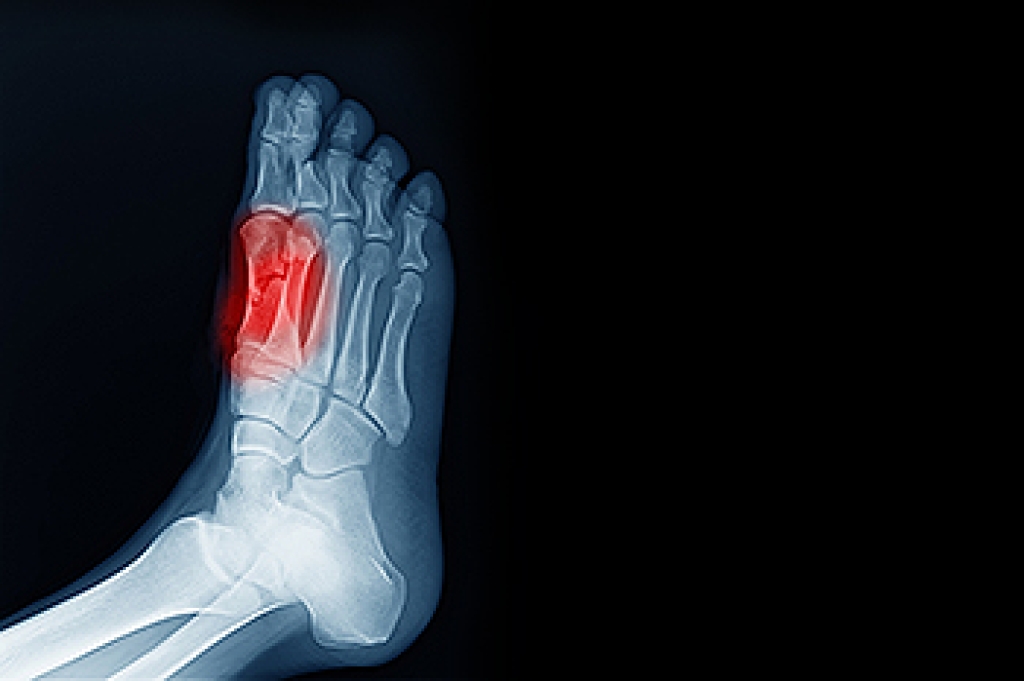
A broken toe occurs when one of the small bones in a toe cracks or breaks. The injury can range from a small hairline crack to a break in which pieces of bone move out of their normal position. Broken toes can result from stubbing a toe, dropping a heavy object on the foot, or forcefully bending a toe. A stress fracture, which is a small crack caused by repeated pressure, can also develop after a sudden increase in activities like running or walking. Symptoms include pain, swelling, and bruising. Some patients hear or feel a snap or pop when the injury happens. The injured toe can also appear crooked or out of position.

A podiatrist can evaluate a painful toe to determine whether a fracture is present and how serious the injury is. The examination can include checking the toe for tenderness, swelling, and changes in position. An X-ray can help confirm a fracture or determine whether the toe is dislocated. Treatment depends on which toe is injured and where the break is located. The severity of the fracture also affects treatment decisions. Injuries to the big toe can require more medical attention because this toe has an important role in balance and movement. A podiatrist can determine the appropriate treatment and monitor the toe as the bone heals.

Podiatric treatment for a broken toe focuses on keeping the injured bone in a proper position and protecting it while it heals. Depending on the fracture, a podiatrist can use buddy taping, a splint, or a cast to stabilize the toe. Buddy taping means securing the injured toe to a neighboring healthy toe for support. More serious fractures can require additional treatment, and surgery can be an option for a severe break. A podiatrist can also determine when it is safe to return to regular activities. Proper treatment is important because an untreated fracture can lead to lasting pain, limited movement, or a change in the toe's shape. If you have broken your toe, it is suggested that you schedule an appointment with a podiatrist for effective relief and treatment solutions.

A broken toe can be very painful and lead to complications if not properly fixed. If you have any concerns about your feet, contact Julie Greenwood, DPM from The Podiatry Center. Our doctors will treat your foot and ankle needs.

What to Know About a Broken Toe

Although most people try to avoid foot trauma such as banging, stubbing, or dropping heavy objects on their feet, the unfortunate fact is that it is a common occurrence. Given the fact that toes are positioned in front of the feet, they typically sustain the brunt of such trauma. When trauma occurs to a toe, the result can be a painful break (fracture).

Symptoms of a Broken Toe

  • Throbbing pain
  • Swelling
  • Bruising on the skin and toenail
  • The inability to move the toe
  • Toe appears crooked or disfigured
  • Tingling or numbness in the toe

Generally, it is best to stay off of the injured toe with the affected foot elevated.

Severe toe fractures may be treated with a splint, cast, and in some cases, minor surgery. Due to its position and the pressure it endures with daily activity, future complications can occur if the big toe is not properly treated.

If you have any questions, please feel free to contact one of our offices located in Richmond and Glen Allen, VA . We offer the newest diagnostic and treatment technologies for all your foot care needs.

Read more about What to Know About a Broken Toe

Common Types of Foot Pain While Trail Running

Trail running is a great way to stay active, but it can lead to foot pain from repeated stress. Bunions are bony bumps at the base of the big toe caused by pressure and misalignment, and blisters develop from friction and appear as fluid-filled spots on the skin. Plantar fasciitis involves irritation of the tissue along the bottom of the foot, often leading to heel pain, while stress fractures are small cracks in the bone that occur from overuse. Symptoms include soreness, swelling, and pain during activity. Risk factors include wearing poor-fitting shoes, sudden increases in running distance, and improper form. A podiatrist can help identify the cause and recommend appropriate treatment options. If foot pain is slowing you down on the trail, it is suggested that you consult a podiatrist who can offer effective relief solutions.

Foot Pain

Foot pain can be extremely painful and debilitating. If you have a foot pain, consult with Julie Greenwood, DPM from The Podiatry Center. Our doctors will assess your condition and provide you with quality foot and ankle treatment.

Causes

Foot pain is a very broad condition that could be caused by one or more ailments. The most common include:

  • Bunions
  • Hammertoes
  • Plantar Fasciitis
  • Bone Spurs
  • Corns
  • Tarsal Tunnel Syndrome
  • Ingrown Toenails
  • Arthritis (such as Gout, Rheumatoid, and Osteoarthritis)
  • Flat Feet
  • Injury (from stress fractures, broken toe, foot, ankle, Achilles tendon ruptures, and sprains)
  • And more

Diagnosis

To figure out the cause of foot pain, podiatrists utilize several different methods. This can range from simple visual inspections and sensation tests to X-rays and MRI scans. Prior medical history, family medical history, and any recent physical traumatic events will all be taken into consideration for a proper diagnosis.

Treatment

Treatment depends upon the cause of the foot pain. Whether it is resting, staying off the foot, or having surgery; podiatrists have a number of treatment options available for foot pain.

If you have any questions, please feel free to contact one of our offices located in Richmond and Glen Allen, VA . We offer the newest diagnostic and treatment technologies for all your foot care needs.

Read more about Foot Pain

Blog Archives

scroll to top