Blog

Understanding Bunions

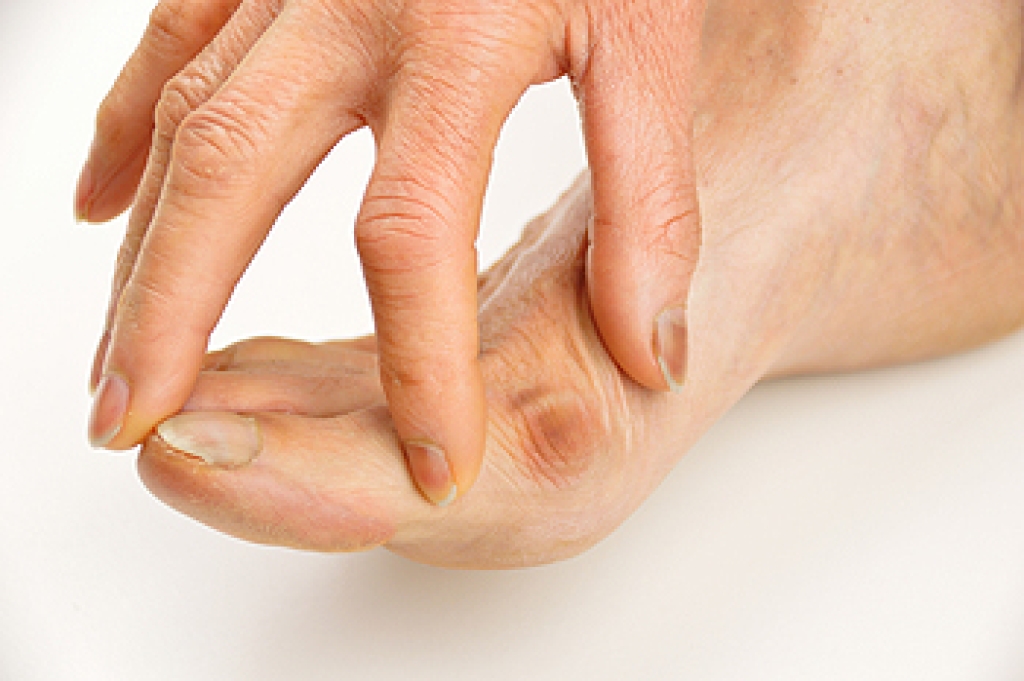
Bunions are characterized by a noticeable bump on the side of the big toe, resulting from an abnormality in the foot bones that causes the big toe to lean toward the second toe instead of remaining straight. While some bunions may initially be painless, over time they can lead to toe crowding and discomfort, potentially causing permanent deformity. Genetics play a significant role in the development of bunions, as they are often associated with faulty foot structure inherited from family members. Other contributing factors include flat feet, excessively flexible ligaments, and abnormal bone structure. Symptoms of a bunion may include red and inflamed skin, thickened skin on the underside of the big toe, calluses on the second toe, foot pain, and limited flexibility in the big toe. If you have a bunion with persistent foot pain, decreased flexibility, and difficulty finding comfortable shoes, it is suggested that you make an appointment with a podiatrist who can assess the severity of the bunion and provide treatment options.

If you are suffering from bunions, contact Julie Greenwood, DPM of The Podiatry Center. Our doctors can provide the care you need to keep you pain-free and on your feet.

What Is a Bunion?

A bunion is formed of swollen tissue or an enlargement of boney growth, usually located at the base joint of the toe that connects to the foot. The swelling occurs due to the bones in the big toe shifting inward, which impacts the other toes of the foot. This causes the area around the base of the big toe to become inflamed and painful.

Why Do Bunions Form?

Genetics – Susceptibility to bunions are often hereditary

Stress on the feet – Poorly fitted and uncomfortable footwear that places stress on feet, such as heels, can worsen existing bunions

How Are Bunions Diagnosed?

Podiatrists often perform two tests – blood tests and x-rays – when trying to diagnose bunions, especially in the early stages of development. Blood tests help determine if the foot pain is being caused by something else, such as arthritis, while x-rays provide a clear picture of your bone structure to your provider.

How Are Bunions Treated?

  • Refrain from wearing heels or similar shoes that cause discomfort
  • Select wider shoes that can provide more comfort and reduce pain
  • Anti-inflammatory and pain management drugs
  • Orthotics or foot inserts
  • Surgery

If you have any questions, please feel free to contact one of our offices located in Richmond and Glen Allen, VA . We offer the newest diagnostic and treatment technologies for all your foot care needs.


Read more about Bunions

Wound Care for a Cut on the Foot

A cut on the bottom can occur from stepping on sharp objects, walking barefoot, or experiencing friction from rough surfaces. This type of foot wound can range from a minor superficial cut to a deeper laceration that requires medical attention from a podiatrist. The sole of the foot is especially vulnerable because it bears weight and is exposed to bacteria from the ground. Proper care is essential to reduce the risk of infection and to support healthy healing.

Symptoms of a cut on the bottom of the foot include pain, tenderness, and visible damage to the skin. There may be bleeding, swelling, or redness surrounding the wound. In some cases, individuals notice difficulty walking due to discomfort or sensitivity when pressure is applied. If the area becomes warm, produces discharge, or shows increased redness, these may be signs of infection. Monitoring symptoms closely helps determine whether simple care is sufficient or if professional treatment is needed.


Treating a cut on the bottom of the foot begins with clean hands to prevent introducing bacteria into the wound. Gently wash the affected area with clean water to remove dirt and debris. Avoid using harsh chemicals that may irritate the tissue. After cleaning, apply a sterile bandage to protect the wound and keep it covered. More severe and painful cuts or wounds require podiatric care to ensure proper healing. Changing the bandage regularly and keeping the area dry can support the healing process. Reducing pressure on the foot by limiting activity may also help prevent the wound from reopening.


Risk factors for complications include deep cuts, delayed treatment, and underlying health conditions, such as diabetes or poor circulation. Walking barefoot in unsanitary environments can increase exposure to bacteria. If you have a cut on the bottom of your foot, it is suggested that you consult a podiatrist for effective treatment solutions.

Wound care is an important part in dealing with diabetes. If you have diabetes and a foot wound or would like more information about wound care for diabetics, consult with Julie Greenwood, DPM from The Podiatry Center. Our doctors will assess your condition and provide you with quality foot and ankle treatment.

What Is Wound Care?

Wound care is the practice of taking proper care of a wound. This can range from the smallest to the largest of wounds. While everyone can benefit from proper wound care, it is much more important for diabetics. Diabetics often suffer from poor blood circulation which causes wounds to heal much slower than they would in a non-diabetic. 

What Is the Importance of Wound Care?

While it may not seem apparent with small ulcers on the foot, for diabetics, any size ulcer can become infected. Diabetics often also suffer from neuropathy, or nerve loss. This means they might not even feel when they have an ulcer on their foot. If the wound becomes severely infected, amputation may be necessary. Therefore, it is of the upmost importance to properly care for any and all foot wounds.

How to Care for Wounds

The best way to care for foot wounds is to prevent them. For diabetics, this means daily inspections of the feet for any signs of abnormalities or ulcers. It is also recommended to see a podiatrist several times a year for a foot inspection. If you do have an ulcer, run the wound under water to clear dirt from the wound; then apply antibiotic ointment to the wound and cover with a bandage. Bandages should be changed daily and keeping pressure off the wound is smart. It is advised to see a podiatrist, who can keep an eye on it.

If you have any questions please contact one of our offices located in Richmond and Glen Allen, VA . We offer the newest diagnostic and treatment technologies for all your foot and ankle needs.

Read more about Wound Care

How to Fit Shoes Properly for Comfort

Wearing shoes that fit properly is essential for maintaining foot health, preventing pain, and supporting daily activity. A well-fitted shoe provides adequate space, stability, and alignment for the foot while allowing natural movement. Shoes should match the shape of the foot and provide proper arch support and cushioning. Wearing ill-fitting footwear, whether too tight or too loose, can lead to discomfort and long-term complications. Choosing the correct shoe size and design is a key step in preventing avoidable foot problems.

Common foot conditions from wearing poorly fitting shoes include blisters, toe pain, and bunions. Shoes that are too loose can lead to instability, friction, and an increased risk of falls. Individuals may also experience heel pain or arch strain when support and cushioning are inadequate. These symptoms can interfere with walking and reduce overall comfort throughout the day.


Several risk factors contribute to improper shoe fit. Many individuals wear the wrong size due to changes in foot shape over time. Feet should be measured regularly to ensure an accurate fit, especially as aging, weight changes, or medical conditions can alter foot size. Proper shoes should grip the heel securely without slipping and allow enough room in the toe box. Selecting footwear designed for a specific sport or activity is also important, as different movements require different types of support and cushioning.


Wearing properly-fitted shoes can prevent many common foot conditions and improve overall comfort. Supportive design, proper sizing, and activity-specific features all contribute to better foot health. Taking the time to choose the right footwear can make a significant difference in daily mobility. If you have foot pain related to wearing shoes that do not fit right,it is suggested that you consult a podiatrist for effective relief tips and guidance on how to choose shoes that fit properly.

It is important to find shoes that fit you properly in order to avoid a variety of different foot problems. For more information about treatment, contact Julie Greenwood, DPM from The Podiatry Center. Our doctors will treat your foot and ankle needs.

Proper Shoe Fitting

Shoes have many different functions. They cushion our body weight, protect our feet, and allow us to safely play sports. You should always make sure that the shoes you wear fit you properly in order to avoid injuries and deformities such as: bunions, corns, calluses, hammertoes, plantar fasciitis, stress fractures, and more. It is important to note that although a certain pair of shoes might be a great fit for someone else, that doesn’t mean they will be a great fit for you. This is why you should always try on shoes before buying them to make sure they are worth the investment. Typically, shoes need to be replaced ever six months to one year of regular use.

Tips for Proper Shoe Fitting

  • Select a shoe that is shaped like your foot
  • Don’t buy shoes that fit too tight, expecting them to stretch to fit
  • Make sure there is enough space (3/8” to ½”) for your longest toe at the end of each shoe when you are standing up
  • Walk in the shoes to make sure they fit and feel right
  • Don’t select shoes by the size marked inside the shoe, but by how the shoe fits your foot

The shoes you buy should always feel as good as they look. Shoes that fit properly will last longer, feel better, and improve your way of life each day.

If you have any questions please contact one of our offices located in Richmond and Glen Allen, VA . We offer the newest diagnostic and treatment technologies for all your foot and ankle needs.

Read more about Getting the Right Shoe Size

Plantar Warts Can Be Treated!

Plantar warts are small growths that develop on parts of the feet that bear weight. They're typically found on the bottom of the foot. Don't live with plantar warts, and call us today!

Causes of Foot Blisters

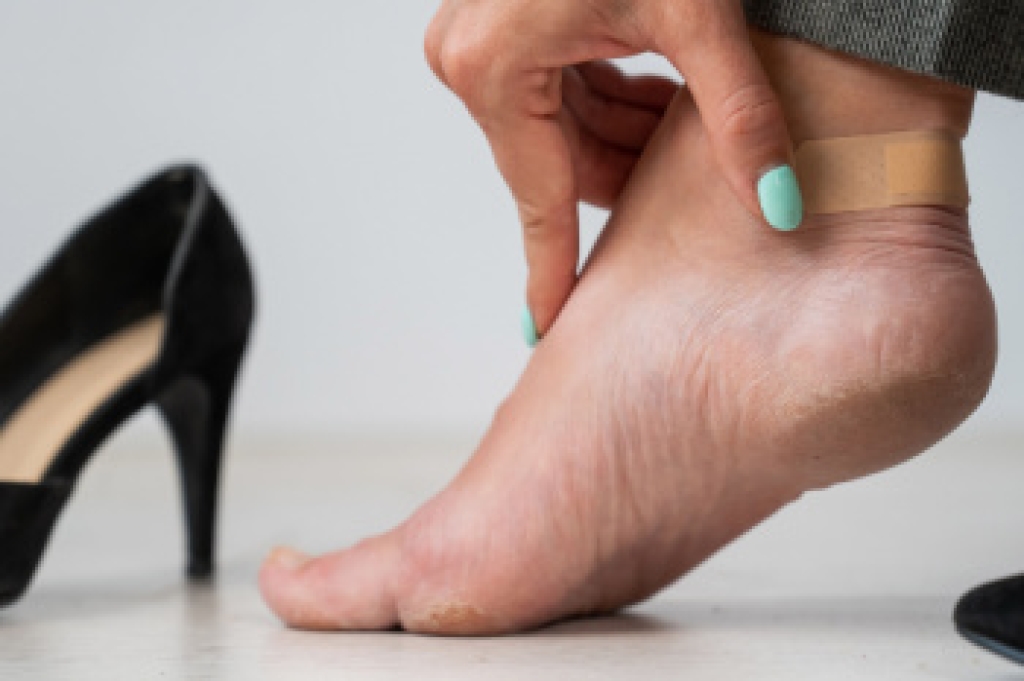
Foot blisters are fluid-filled pockets that form within the upper layers of the skin as a response to irritation or injury. They commonly develop on weight-bearing areas of the foot and can quickly become painful and limiting. While often considered minor, foot blisters can be disabling when they interfere with walking, standing, or athletic performance. Without proper care, they may worsen or become difficult to treat, especially if the skin breaks and becomes exposed.

Symptoms of foot blisters include redness, swelling, and a raised area filled with clear fluid. The affected area may feel tender or painful, particularly when pressure is applied. As the blister enlarges, walking can become uncomfortable, and the surrounding skin may feel warm or irritated. If the blister ruptures, it can expose sensitive tissue and increase the risk of infection.


The most common cause of foot blisters is friction, which occurs when the skin repeatedly rubs against footwear or another surface. Pressure from  wearing tight shoes, prolonged walking, or repetitive motion can intensify this effect. Other causes include burns from heat, exposure to freezing conditions, and allergic reactions to certain materials. Each of these factors can damage the skin and lead to blister formation.


Risk factors include ill-fitting shoes, excessive moisture, high activity levels, and sensitive skin. Preventive strategies include choosing properly fitted footwear, keeping feet dry, and using protective padding in high friction areas. Early care can reduce discomfort and prevent complications. If you have one or more blisters on your feet,  it is suggested that you consult a podiatrist for effective relief and prevention tips.

Blisters may appear as a single bubble or in a cluster. They can cause a lot of pain and may be filled with pus, blood, or watery serum. If your feet are hurting, contact Julie Greenwood, DPM of The Podiatry Center. Our doctors can provide the care you need to keep you pain-free and on your feet.

Foot Blisters

Foot blisters are often the result of friction. This happens due to the constant rubbing from shoes, which can lead to pain.

What Are Foot Blisters?

A foot blister is a small fluid-filled pocket that forms on the upper-most layer of the skin. Blisters are filled with clear fluid and can lead to blood drainage or pus if the area becomes infected.

Symptoms

(Blister symptoms may vary depending on what is causing them)

  • Bubble of skin filled with fluid
  • Redness
  • Moderate to severe pain
  • Itching

Prevention & Treatment

In order to prevent blisters, you should be sure to wear comfortable shoes with socks that cushion your feet and absorb sweat. Breaking a blister open may increase your chances of developing an infection. However, if your blister breaks, you should wash the area with soap and water immediately and then apply a bandage to the affected area. If your blisters cause severe pain it is important that you call your podiatrist right away.

If you have any questions, please feel free to contact one of our offices located in Richmond and Glen Allen, VA . We offer the newest diagnostic and treatment technologies for all your foot care needs.

Read more about Blisters
scroll to top