Blog

Gout and the Big Toe

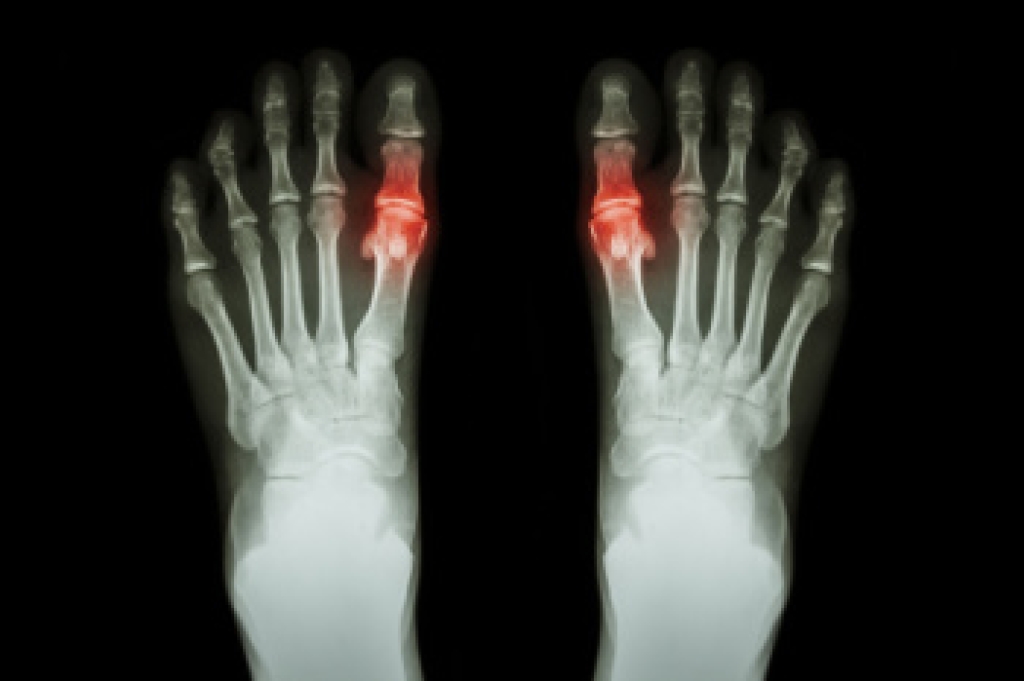
Gout is a form of inflammatory arthritis caused by excess uric acid in the bloodstream. When uric acid forms sharp crystals, they can collect inside a joint and trigger inflammation. Gout commonly affects the big toe, creating pain, swelling, and tenderness. Symptoms may begin quickly, often during the night, and can make walking or wearing shoes uncomfortable. A gout attack may improve after several days, but repeated attacks can damage the affected joint if the condition is not managed.

The big toe is especially prone to gout because the joint is cool and receives pressure during standing and walking. These conditions can encourage crystal formation and inflammation. People with a family history of gout may have a higher risk. Other risk factors include obesity, kidney problems, and diets high in purine-rich foods. Alcohol consumption and dehydration may also contribute. Men are more likely to develop gout, while risk increases for women after menopause.


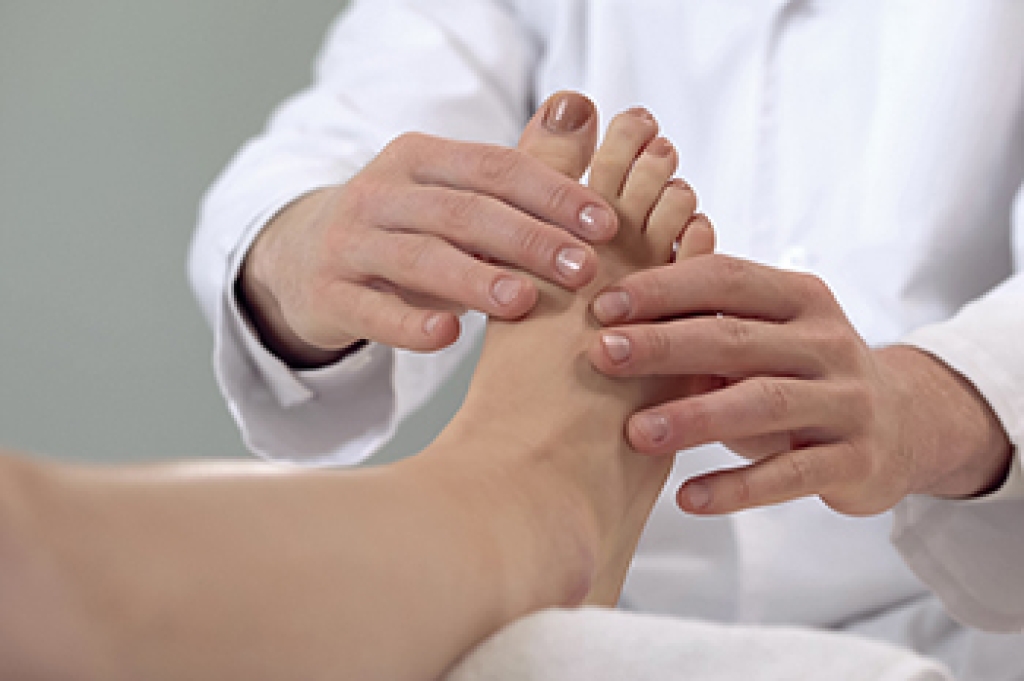
A podiatrist begins by reviewing symptoms, medical history, and risk factors. The podiatrist checks the big toe for swelling, warmth, and restricted movement. Testing may help confirm gout. Treatment can include recommendations to reduce inflammation and protect the joint during an attack. A podiatrist may also discuss footwear, activity changes, and prevention. 


Understanding gout can help you recognize symptoms early and seek care before attacks interfere with daily activities. Prompt treatment may reduce discomfort and help protect the big toe joint from damage. If you have pain, swelling, or redness on your big toe, it is suggested that you consult a podiatrist for an accurate diagnosis, treatment, and guidance on preventing future gout attacks. 

Gout is a painful condition that can be treated. If you are seeking treatment, contact Julie Greenwood, DPM from The Podiatry Center. Our doctors will treat your foot and ankle needs.

What Is Gout?

Gout is a form of arthritis that is characterized by sudden, severe attacks of pain, redness, and tenderness in the joints. The condition usually affects the joint at the base of the big toe. A gout attack can occur at any random time, such as the middle of the night while you are asleep.

Symptoms

  • Intense Joint Pain - Usually around the large joint of your big toe, and it most severe within the first four to twelve hours
  • Lingering Discomfort - Joint discomfort may last from a few days to a few weeks
  • Inflammation and Redness -Affected joints may become swollen, tender, warm and red
  • Limited Range of Motion - May experience a decrease in joint mobility

Risk Factors

  • Genetics - If family members have gout, you’re more likely to have it
  • Medications - Diuretic medications can raise uric acid levels
  • Gender/Age - Gout is more common in men until the age of 60. It is believed that estrogen protects women until that point
  • Diet - Eating red meat and shellfish increases your risk
  • Alcohol - Having more than two alcoholic drinks per day increases your risk
  • Obesity - Obese people are at a higher risk for gout

Prior to visiting your podiatrist to receive treatment for gout, there are a few things you should do beforehand. If you have gout you should write down your symptoms--including when they started and how often you experience them, important medical information you may have, and any questions you may have. Writing down these three things will help your podiatrist in assessing your specific situation so that he or she may provide the best route of treatment for you.

If you have any questions, please feel free to contact one of our offices located in Richmond and Glen Allen, VA . We offer the newest diagnostic and treatment technologies for all your foot care needs.


Read more about Gout

Understanding Foot and Ankle Trauma

Foot and ankle trauma can range from sprains to serious fractures that affect a person’s ability to stand and walk comfortably. The ankle is the most frequently injured major weight-bearing joint in the body, and lateral ankle sprains are especially common. Foot and ankle fractures also make up a notable portion of bone injuries. Trauma can occur during sports or motor vehicle accidents, while certain bone conditions may make fractures more likely. Because the feet and ankles support body weight during movement, injuries in these areas can interfere with mobility and everyday activities. Early recognition is important because missed or delayed diagnoses may increase the risk of complications.


Some foot and ankle injuries can be difficult to recognize during an initial evaluation. Lisfranc injuries affect the middle of the foot, ranging from lower-energy sprains to more serious fracture-dislocations. They can occur from twisting movements or direct forces during significant trauma. Some Lisfranc injuries are not immediately visible on standard X-rays, making further evaluation important when symptoms continue. Midfoot trauma may also involve ligament damage or fractures in surrounding bones. More severe ankle trauma can involve fractures that affect joint stability and may require detailed imaging to determine the extent of the injury.


A podiatrist can evaluate foot and ankle trauma by examining the injured area and determining how the damage has affected movement and stability. Imaging may be used to identify fractures or injuries involving joints and ligaments. A podiatrist can recommend treatment based on the location and severity of the injury. This foot doctor can also determine whether additional medical care or surgery is necessary. Prompt professional evaluation can be especially important after significant trauma or when walking becomes difficult. If foot or ankle pain develops after an injury or continues to limit your mobility, it is suggested that you consult a podiatrist for an evaluation and appropriate treatment options.

Foot and ankle trauma is common among athletes and the elderly. If you have concerns that you may have experienced trauma to the foot and ankle, consult with Julie Greenwood, DPM from The Podiatry Center. Our doctors will assess your condition and provide you with quality foot and ankle treatment.

Foot and ankle trauma cover a range of injuries all over the foot; common injuries include:

  • Broken bones
  • Muscle strains
  • Injuries to the tendons and ligaments
  • Stress fractures

Symptoms

Symptoms of foot and ankle injuries vary depending on the injury, but more common ones include:

  • Bruising
  • Inflammation/ Swelling
  • Pain

Diagnosis

To properly diagnose the exact type of injury, podiatrists will conduct a number of different tests. Some of these include sensation and visual tests, X-rays, and MRIs. Medical and family histories will also be taken into account.

Treatment

Once the injury has been diagnosed, the podiatrist can than offer the best treatment options for you. In less severe cases, rest and keeping pressure off the foot may be all that’s necessary. Orthotics, such as a specially made shoes, or immobilization devices, like splints or casts, may be deemed necessary. Finally, if the injury is severe enough, surgery may be necessary.

If you have any questions, please feel free to contact one of our offices located in Richmond and Glen Allen, VA . We offer the newest diagnostic and treatment technologies for all your foot care needs.

Read more about Foot and Ankle Fractures

Understanding Normal Foot And Ankle Biomechanics

Normal foot and ankle biomechanics describe how the bones, joints, and ligaments work together during movement. Healthy biomechanics allow the foot to absorb impact, adapt to different surfaces, and provide stability when needed. During weight-bearing activities, the feet support the body while distributing pressure across the heel, midfoot, and forefoot. Proper alignment and controlled movement help reduce unnecessary stress on the lower extremities and support efficient walking, standing, and exercise.

Walking follows a coordinated sequence that begins when the heel contacts the ground and continues as the body moves forward over the foot. The ankle and foot gradually adjust to absorb impact before becoming more stable for push-off. Muscles and tendons provide control throughout this process. If alignment, flexibility, or joint motion is altered, certain areas may experience increased pressure. These changes can contribute to discomfort, overuse injuries, or changes in walking patterns.


Running places greater demands on foot and ankle biomechanics because the body experiences increased impact and faster movement. The foot must absorb force and then become stable enough to help propel the body forward. Risk factors for abnormal biomechanics include previous injuries, muscle weakness, and limited flexibility. Structural differences, improper footwear, and sudden increases in activity may also be factors. Symptoms of a biomechanical problem may include persistent foot or ankle pain, uneven shoe wear, or discomfort during weight-bearing activities.


A podiatrist can evaluate biomechanics by observing walking and running patterns and examining foot alignment, joint movement, and weight distribution. The foot doctor may also recommend supportive shoes, orthotics, or activity changes when appropriate. Follow-up visits can help determine whether treatment is improving movement and reducing stress. Understanding foot mechanics can support injury prevention and better mobility. If you have foot or ankle pain and want to understand your foot biomechanics, it is suggested that you consult a podiatrist for an accurate diagnosis and appropriate treatment.

If you have any concerns about your feet, contact Julie Greenwood, DPM from The Podiatry Center. Our doctors can provide the care you need to keep you pain-free and on your feet.

Biomechanics in Podiatry

Podiatric biomechanics is a particular sector of specialty podiatry with licensed practitioners who are trained to diagnose and treat conditions affecting the foot, ankle and lower leg. Biomechanics deals with the forces that act against the body, causing an interference with the biological structures. It focuses on the movement of the ankle, the foot and the forces that interact with them.

A History of Biomechanics

  • Biomechanics dates back to the BC era in Egypt where evidence of professional foot care has been recorded.
  • In 1974, biomechanics gained a higher profile from the studies of Merton Root, who claimed that by changing or controlling the forces between the ankle and the foot, corrections or conditions could be implemented to gain strength and coordination in the area.

Modern technological improvements are based on past theories and therapeutic processes that provide a better understanding of podiatric concepts for biomechanics. Computers can provide accurate information about the forces and patterns of the feet and lower legs.

Understanding biomechanics of the feet can help improve and eliminate pain, stopping further stress to the foot.

If you have any questions please feel free to contact one of our offices located in Richmond and Glen Allen, VA . We offer the newest diagnostic and treatment technologies for all your foot and ankle needs.

Read more about Biomechanics in Podiatry

Ankle Osteoarthritis Symptoms and Treatment Options

Ankle osteoarthritis develops when the smooth cartilage that cushions the ankle bones wears down. Without this protective layer, the bones can rub against each other and form painful bone spurs. Many cases begin after a serious ankle injury, including a fracture or severe sprain. Symptoms include pain, stiffness, and swelling. The ankle may feel worse in the morning or after activity. Other symptoms include tenderness, limited motion, or trouble when walking. These changes can make work, exercise, and everyday tasks harder. Because ankle pain can have several causes, an accurate diagnosis is important before treatment begins.

A podiatrist starts by asking when the pain began and whether the ankle was injured before. During a physical examination, the podiatrist checks the joint for swelling, tenderness, and reduced range of motion. A gait analysis shows how the patient stands and walks. It can reveal limping, poor alignment, or weakness in the foot and ankle. X-rays can show lost space between the bones, bone spurs, and signs of an old fracture. Blood tests might be ordered to rule out other forms of arthritis. The results help the podiatrist judge how far the condition has progressed and which care plan fits the patient’s needs.

Treatment aims to reduce pain, protect movement, and help the patient stay active. A podiatrist can recommend changes in activity, weight management, and supportive devices. An ankle brace, custom orthotics, or shoes that provide proper support can reduce strain on the joint. Treatment also includes non-drug methods, medication options, and surgery. When less-invasive care does not provide enough relief, the podiatrist can explain procedures that clean out damaged tissue, fuse the ankle bones, or replace the joint. Each option has different effects on motion and recovery. Regular follow-up visits allow the podiatrist to track symptoms and adjust the treatment plan. If you have symptoms of osteoarthritis affecting your ankles, it is suggested that you schedule an appointment with a podiatrist for a diagnosis and appropriate treatment.

Arthritis can be a difficult condition to live with. If you are seeking treatment, contact Julie Greenwood, DPM from The Podiatry Center. Our doctors can provide the care you need to keep you pain-free and on your feet.

Arthritic Foot Care  

Arthritis is a joint disorder that involves the inflammation of different joints in your body, such as those in your feet. Arthritis is often caused by a degenerative joint disease and causes mild to severe pain in all affected areas. In addition to this, swelling and stiffness in the affected joints can also be a common symptom of arthritis.

In many cases, wearing ill-fitting shoes can worsen the effects and pain of arthritis. Wearing shoes that have a lower heel and extra room can help your feet feel more comfortable. In cases of rheumatoid arthritis, the arch in your foot may become problematic. Buying shoes with proper arch support that contour to your feet can help immensely.

Alleviating Arthritic Pain

  • Exercises that stretch the foot can prevent further pain and injury and increase mobility
  • Most of the pain can be alleviated with anti-inflammatory drugs, heat, and topical medications
  • Massages can help temporarily alleviate pain.

It is best to see your doctor for the treatment that is right for your needs and symptoms. Conditions vary, and a podiatrist can help you determine the right method of care for your feet.

If you have any questions please feel free to contact one of our offices located in Richmond and Glen Allen, VA . We offer the newest diagnostic tools and technology to treat your foot and ankle needs.

Read more about Arthritic Foot Care
scroll to top