Blog

Plantar Fibromatosis and Your Foot Health

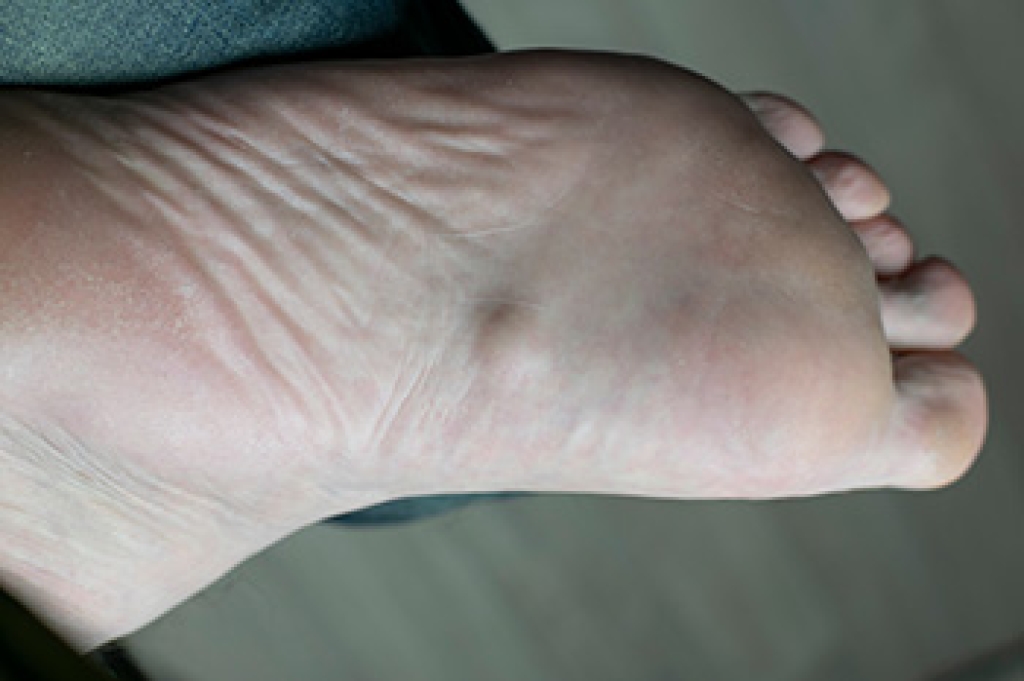
Plantar fibromatosis is a non-cancerous condition that causes firm lumps to develop within the plantar fascia. This thick band of tissue runs along the bottom of the foot and supports the arch. The lumps are called plantar fibromas. They may develop in one foot or both feet, and can slowly increase in size. Although plantar fibromatosis is usually not dangerous, it can make walking and standing uncomfortable. Understanding the condition can help you recognize changes early and seek appropriate care.

A plantar fibroma often feels like a small, firm knot beneath the skin. Symptoms may include tenderness, pressure, or aching in the arch. Some people have no pain until the lump is pressed by shoes or while walking. The exact cause of plantar fibromatosis is not fully understood. Repeated stress on the plantar fascia may contribute to tissue changes. Genetics may also play a role. Other possible factors include foot trauma and certain medical conditions.


Risk factors can include a family history of plantar fibromatosis and repeated strain on the feet. A podiatrist will examine the lump and ask about symptoms, activities, and medical history. Imaging, such as an ultrasound or MRI scan, may be recommended when the diagnosis needs confirmation. A podiatrist may recommend supportive footwear, custom orthotics, or padding to reduce pressure on the lump.


When symptoms are persistent, a podiatrist may discuss additional treatment options. These can include injections or other approaches designed to reduce pain and irritation. Surgery may be considered when a fibroma is large or causes significant problems with daily activities. Because plantar fibromas can return after removal, careful evaluation is important before choosing surgery. Paying attention to changes in the arch can help you get treatment before discomfort becomes more limiting. If you have developed a plantar fibroma, it is suggested that you consult a podiatrist for an accurate diagnosis and appropriate treatment.

A plantar fibroma may disrupt your daily activities. If you have any concerns, contact Julie Greenwood, DPM of The Podiatry Center. Our doctors can provide the care you need to keep you pain-free and on your feet.

Plantar Fibroma

A plantar fibroma is a fibrous knot in the arch of the foot. It is embedded in the plantar fascia which is a band of tissue that extends from the heel to the toes along the bottom of the foot. There can be multiple plantar fibromas in the feet at the same time. There are no known causes for this condition. If you have a plantar fibroma, there will be a bump in the arch of your foot that cannot be missed. Any associated pain is most often due to a shoe rubbing against the nodule. Non-surgical options, such as steroid injections, physical therapy, and orthotics should be tried first. Surgery is a last resort and is the only thing that will remove a plantar fibroma entirely. Consult with a podiatrist for a proper diagnosis and to determine the treatment regimen that is right for you.

What Causes a Plantar Fibroma?

While there are no specific causes identified, a plantar fibroma can possibly come from genetic predisposition or the formation of scar tissue that forms from healing the tears in the plantar fascia.

What Are the Symptoms of a Plantar Fibroma?

There will be a noticeable lump in the arch of the foot that may or may not cause pain. If pain is felt, it is typically because a shoe is rubbing up against the lump or when walking or standing barefoot.

Treatment and Prevention

A plantar fibroma will not disappear without treatment, but it can get smaller and be a non-issue. If pain persists, a podiatrist examines the foot and when the arch of the foot is pressed, pain can be felt down to the toes. An MRI or biopsy might be performed to help diagnose or evaluate the plantar fibroma. The following non-surgical options are generally enough to reduce the size and pain of these nodules:

  • Steroid injections
  • Orthotics
  • Physical therapy to help apply anti-inflammatory creams on the bump 

Surgery is considered if the mass increases in size and the patient continues to feel pain after non-surgical methods are tried.

If you have any questions, please feel free to contact one of our offices located in Richmond and Glen Allen, VA . We offer the newest diagnostic and treatment technologies for all your foot care needs.
Read more about Plantar Fibroma

How Bunions Affect Daily Movement

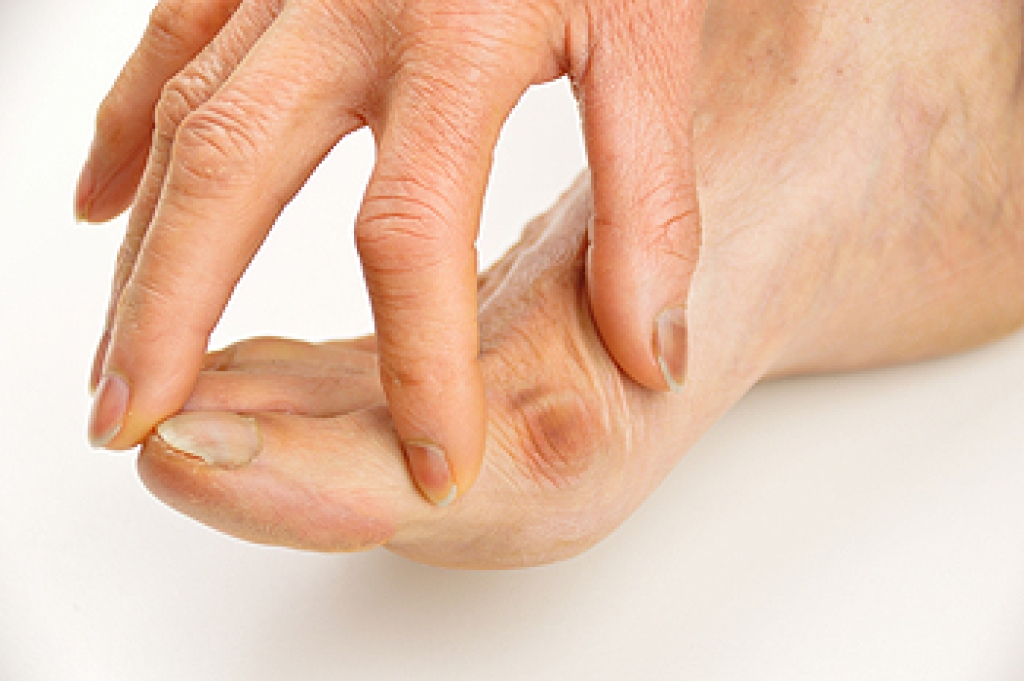
Bunions develop when the joint at the base of the big toe gradually changes position, creating a noticeable bump along the inner side of the foot. As the big toe shifts toward the smaller toes, pressure increases around the affected joint. Early symptoms include tenderness, swelling, or redness near the big toe. Some people also notice stiffness that makes bending the toe uncomfortable. Foot shape, inherited traits, and the way a person walks may influence bunion development. Shoes that place pressure on the front of the foot may worsen irritation. Bunions generally develop over several years, and their appearance may change as the affected joint becomes increasingly misaligned. Understanding these changes helps explain why bunion pain may gradually become more noticeable during everyday activities.


Bunion symptoms differ depending on how much the joint has changed. Pain may feel dull and persistent or become sharper when pressure is placed on the affected area. Some individuals notice throbbing discomfort at night, while others experience pain that spreads toward the ball of the foot. As the big toe moves closer to its neighboring toe, crowding may cause additional irritation. Repeated rubbing may lead to thickened skin, corns, or calluses. In more advanced cases, the big toe may overlap the second toe, making walking and wearing shoes uncomfortable. Swelling around the joint may also press against nearby nerves and produce shooting pain. The size of the bump does not always reflect how painful it feels. Changes in toe alignment and increasing difficulty with normal movement are important signs to discuss during a foot examination.


A podiatrist focuses on identifying the cause of bunion discomfort and evaluating changes in foot structure. This foot doctor examines the big toe joint, checks its range of motion, and reviews how symptoms affect walking. The assessment also helps distinguish bunions from other problems that cause pain near the toes. Treatment planning depends on the severity of the deformity and the amount of discomfort. A podiatrist may recommend appropriate footwear modifications or supportive devices to reduce pressure on the affected joint. Early evaluation helps identify changes in the joint and determine which treatment options are most appropriate. If bunion pain or changes in toe alignment are affecting your daily life, it is suggested that you consult a podiatrist for an evaluation and appropriate treatment options.

If you are suffering from bunion pain, contact Julie Greenwood, DPM of The Podiatry Center. Our doctors can provide the care you need to keep you pain-free and on your feet.

What Is a Bunion?

Bunions are painful bony bumps that usually develop on the inside of the foot at the joint of the big toe. As the deformity increases over time, it may become painful to walk and wear shoes. Women are more likely to exacerbate existing bunions since they often wear tight, narrow shoes that shift their toes together. Bunion pain can be relieved by wearing wider shoes with enough room for the toes.

Causes

  • Genetics – some people inherit feet that are more prone to bunion development
  • Inflammatory Conditions - rheumatoid arthritis and polio may cause bunion development

Symptoms

  • Redness and inflammation
  • Pain and tenderness
  • Callus or corns on the bump
  • Restricted motion in the big toe

In order to diagnose your bunion, your podiatrist may ask about your medical history, symptoms, and general health. Your doctor might also order an x-ray to take a closer look at your feet. Nonsurgical treatment options include orthotics, padding, icing, changes in footwear, and medication. If nonsurgical treatments don’t alleviate your bunion pain, surgery may be necessary.

If you have any questions, please feel free to contact one of our offices located in Richmond and Glen Allen, VA . We offer the newest diagnostic and treatment technologies for all your foot care needs.

Read more about Bunions

Stop Your Toenail Fungus

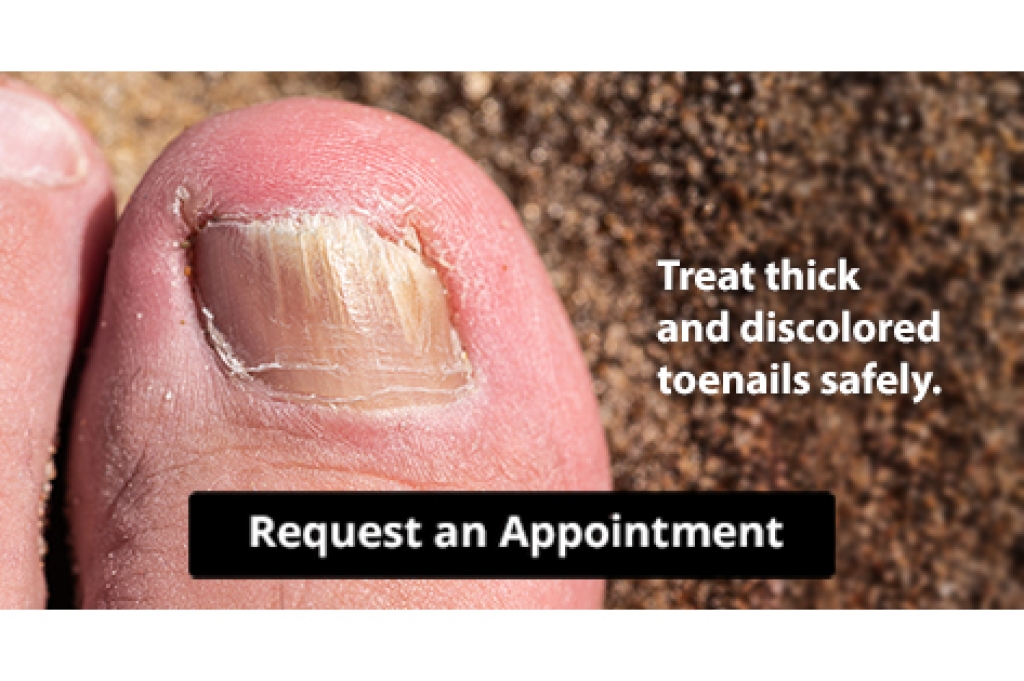
Have you noticed discoloration of your toenails? Have they become thickened or brittle? If so, you may be experiencing symptoms of a fungal nail infection. For some, having a fungal nail can be embarrassing. Overcome your embarrassment, and get treated.

Bunion Symptoms and Surgical Treatment

A bunion is a common foot deformity that develops when the big toe shifts toward the smaller toes. This creates a noticeable bump along the inside of the foot near the big toe joint. Symptoms may include pain, swelling, and difficulty wearing shoes. Some people also develop corns or calluses from pressure. Risk factors include family history, inherited foot structure, and wearing tight footwear. Bunions can progress slowly, making early attention helpful for comfort.

A podiatrist will examine your foot and ask about symptoms, activity, and medical history. X-rays may help evaluate bone alignment and joint changes. Treatment often begins with conservative care. Wearing wider shoes or orthotics may reduce irritation, and stretching may improve flexibility. Bunion surgery may be considered when pain continues despite treatment, walking becomes difficult, or the deformity interferes with daily activities. The decision is largely based on symptoms and function rather than appearance alone.


Bunion surgery aims to improve alignment and relieve pressure surrounding the affected joint. The procedure depends on the bunion’s severity and foot structure. A podiatrist may realign the bone, correct joint positioning, or adjust surrounding tissues. After surgery, you may need a protective shoe, elevation, and medication. Follow-up visits help the podiatrist monitor healing and increase activity. Following post-operative instructions carefully can help promote smoother healing.


Consistent bunion pain can affect walking, work, and comfort. Surgery is not necessary for every bunion, but it can provide relief when symptoms persist and conservative care has not worked. An evaluation can clarify whether surgery is appropriate and which procedure may fit your needs. If you have a bunion and are considering foot surgery for relief, it is suggested that you consult a podiatrist who can discuss the benefits of this procedure with you.

Foot surgery is sometimes necessary to treat a foot ailment. To learn more, contact Julie Greenwood, DPM of The Podiatry Center. Our doctors will assist you with all of your foot and ankle needs.

When Is Surgery Necessary?

Foot and ankle surgery is generally reserved for cases in which less invasive, conservative procedures have failed to alleviate the problem. Some of the cases in which surgery may be necessary include:

  • Removing foot deformities like bunions and bone spurs
  • Severe arthritis that has caused bone issues
  • Cosmetic reconstruction

What Types of Surgery Are There?

The type of surgery you receive will depend on the nature of the problem you have. Some of the possible surgeries include:

  • Bunionectomy for painful bunions
  • Surgical fusion for realignment of bones
  • Neuropathy decompression surgery to treat nerve damage

Benefits of Surgery

Although surgery is usually a last resort, it can provide more complete pain relief compared to non-surgical methods and may allow you to finally resume full activity.

Surgical techniques have also become increasingly sophisticated. Techniques like endoscopic surgery allow for smaller incisions and faster recovery times.

If you have any questions, please feel free to contact one of our offices located in Richmond and Glen Allen, VA . We offer the newest diagnostic and treatment technologies for all your foot care needs.
Read more about Foot Surgery

How a Podiatrist Can Help With Flat Feet

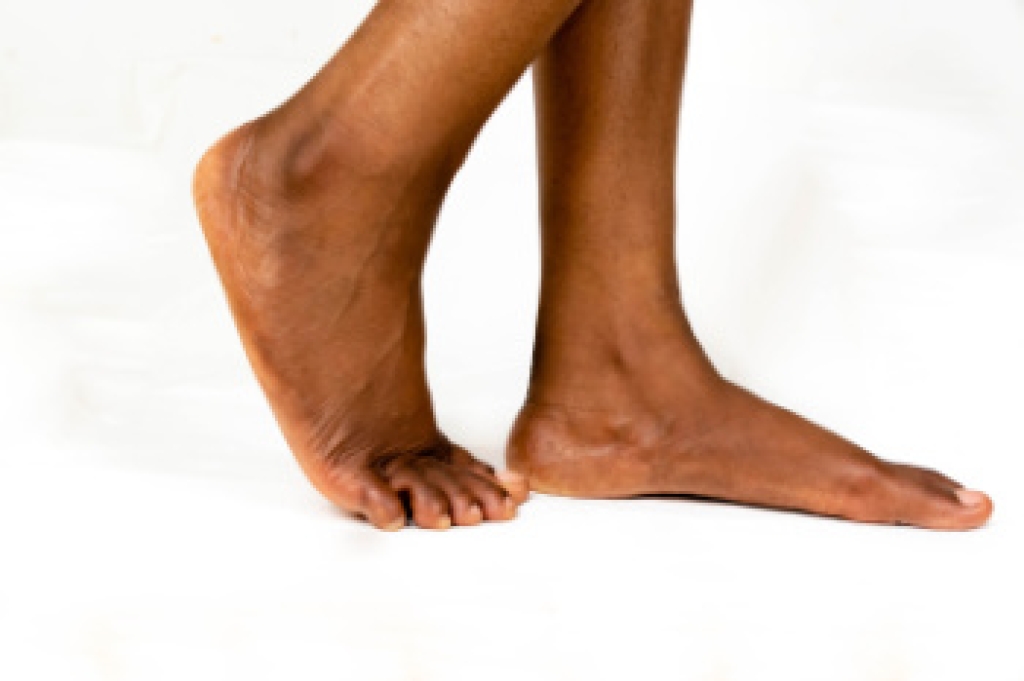
Flat feet occur when the arches of the feet are low or flattened, causing much or all of the sole to contact the ground while standing. Some people naturally have low arches, while others develop changes in their arches later in life. Factors that can contribute to flat feet include changes in the muscles or tissues that support the arch. An injury can also affect the structure of the foot. Some patients with flat feet have no discomfort, while others experience pain that affects daily activities. Symptoms can include aching in the arches, heel pain, and tired feet after standing. Discomfort can also develop around the ankles. Flat feet can change how weight and pressure move through the feet while standing or walking.

A podiatrist can evaluate flat feet by examining the arches and overall structure of the feet. An examination can include checking foot flexibility, ankle movement, and areas of tenderness. The podiatrist can also observe how the patient stands and walks to identify changes in foot movement. X-rays can provide additional information about the bones and joints when a closer evaluation is appropriate. Treatment can focus on supporting the arches and improving how pressure is distributed across the feet. Custom orthotics can provide support based on the patient's specific foot structure. A podiatrist can also recommend properly fitted shoes that provide suitable arch support and cushioning. Targeted treatment can address tightness or weakness that affects foot movement.

Flat feet can influence more than the appearance of the arches. Changes in foot movement can place additional stress on the ankles, lower legs, or knees. Patients can also change the way they walk when discomfort develops. A podiatrist can determine how flat feet affect movement and create a treatment plan based on the patient's symptoms. Care can focus on reducing painful pressure, improving support, and promoting comfortable movement. Treatment can be adjusted according to activity level and changes in symptoms. Professional evaluation can also help identify related foot problems that contribute to discomfort. If you have symptoms of flat feet, it is suggested that you make an appointment with a podiatrist for diagnosis and treatment.

Flatfoot is a condition many people suffer from. If you have flat feet, contact Julie Greenwood, DPM from The Podiatry Center. Our doctors will treat your foot and ankle needs.

What Are Flat Feet?

Flatfoot is a condition in which the arch of the foot is depressed and the sole of the foot is almost completely in contact with the ground. About 20-30% of the population generally has flat feet because their arches never formed during growth.

Conditions & Problems:

Having flat feet makes it difficult to run or walk because of the stress placed on the ankles.

Alignment – The general alignment of your legs can be disrupted, because the ankles move inward which can cause major discomfort.

Knees – If you have complications with your knees, flat feet can be a contributor to arthritis in that area.  

Symptoms

  • Pain around the heel or arch area
  • Trouble standing on the tip toe
  • Swelling around the inside of the ankle
  • Flat look to one or both feet
  • Having your shoes feel uneven when worn

Treatment

If you are experiencing pain and stress on the foot you may weaken the posterior tibial tendon, which runs around the inside of the ankle. 

If you have any questions, please feel free to contact one of our offices located in Richmond and Glen Allen, VA . We offer the newest diagnostic and treatment technologies for all your foot care needs.

Read more about Flat Feet

Blog Archives

scroll to top